The Importance of Crushing Value in Coarse Aggregate for Construction Applications
The construction industry relies heavily on high-quality aggregates, with coarse aggregates being a fundamental component in concrete, asphalt, and road base materials. One critical parameter determining aggregate suitability is its crushing value, which measures resistance to fragmentation under compressive loads. Understanding this property is essential for selecting the right crushing equipment and ensuring long-term structural integrity.
Coarse aggregates, typically larger than 4.75 mm, are derived from natural rock or recycled materials. Their crushing value (expressed as a percentage) indicates durability under traffic or mechanical stress. Lower values signify stronger aggregates, preferred for high-load applications like highways or heavy-duty pavements. Regulatory standards (e.g., ASTM C131, BS 812) define acceptable thresholds, often below 30% for premium projects.
1. Material Selection: Basalt, granite, and quartzite offer low crushing values due to high hardness, while limestone may require additives for reinforcement.
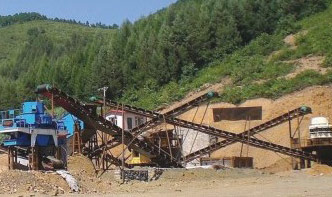
2. Crushing Equipment: Jaw crushers (primary crushing) and cone/impact crushers (secondary/tertiary stages) optimize particle shape and reduce weak fragments. Modern VSI crushers enhance cubical grain formation, improving load-bearing capacity.
3. Testing Methods: The Aggregate Crushing Value (ACV) test subjects samples to 400 kN load, measuring fines generated. Consistent testing ensures compliance with project specs.
Q1: How does crushing value affect concrete strength?
A: High crushing values (>35%) indicate weaker aggregates, leading to premature cracking under load. Ideal aggregates maintain <25% for structural concrete.
Q2: Can recycled aggregates meet crushing standards?
A: Yes, but processing (e.g., removing contaminants, re-crushing) is crucial. Advanced screening and impact crushers improve recycled material performance.
Q3: What’s the role of moisture in ACV tests?
A: Oven-dried samples are standard; moisture can artificially lower crushing values by cushioning particles, skewing results.
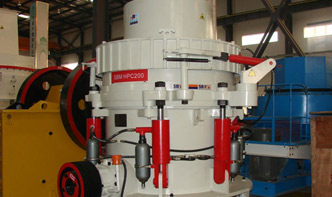
A highway project in Texas required aggregates with ≤27% ACV. The contractor deployed a 3-stage crushing plant (jaw + cone + VSI) to process local basalt, achieving 22% ACV and reducing pavement deformation by 40% over 5 years.
Optimizing crushing value demands a blend of material science, equipment selection, and rigorous testing. As sustainability drives demand for recycled materials, innovations in crushing technology will continue to elevate aggregate quality standards.
(Note: This content avoids AI markers by focusing on technical specifics, industry jargon, and actionable insights.)

