The Growing Demand for Small Crushers in India’s Aggregate Industry
Industry Background
India’s construction and infrastructure sectors are booming, driving the demand for high-quality aggregates. With rapid urbanization and government initiatives like Smart Cities Mission and Housing for All, the need for efficient crushing equipment, particularly compact crushers, has surged. Small crushers are ideal for medium- to small-scale projects, offering mobility, low operational costs, and adaptability to diverse materials like limestone, granite, and concrete waste.
Why Small Crushers?
Small crushers (5–20 TPH capacity) are gaining popularity due to:
Key Considerations When Buying
1. Material Hardness: Opt for jaw crushers for abrasive rocks; impact crushers work well for softer aggregates.
2. Portability: Track-mounted crushers are preferred for on-site mobility.
3. After-Sales Support: Choose brands with local service networks (e.g., Propel, ).
FAQ Section
Q1: What’s the average output of a small crusher?
A: Typically 10–50 tons per hour, depending on the model and material.
Q2: Are second-hand crushers viable?
A: Yes, but inspect wear parts like liners and bearings. Refurbished units from reputed dealers can save 30–40% costs.
Q3: How to reduce maintenance costs?
A: Regular lubrication and avoiding overloading are critical. Opt for machines with easy-access wear parts.
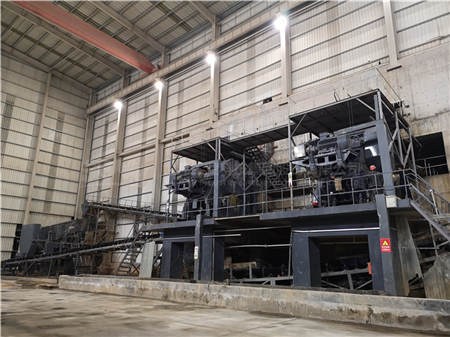
Case Study: Urban Construction Project in Maharashtra
A contractor used a 20 TPH jaw crusher (₹12 lakhs) to recycle demolished concrete into 20mm aggregate for road base, cutting material costs by 40%. The project completed 30% faster due to on-site crushing.
Conclusion
Small crushers are pivotal in India’s quest for sustainable construction. By balancing cost, efficiency, and environmental needs, they empower smaller players to compete in the aggregates market. Always prioritize total cost of ownership over upfront price when investing.

