The Essential Role of Crushing and Sand-Making Equipment in the Aggregate Industry
The global construction and infrastructure sectors rely heavily on high-quality sand and aggregates, driving demand for efficient crushing and sand-making equipment. As urbanization accelerates, the aggregate industry must balance productivity with sustainability, making advanced machinery indispensable.
Core Equipment in Aggregate Production
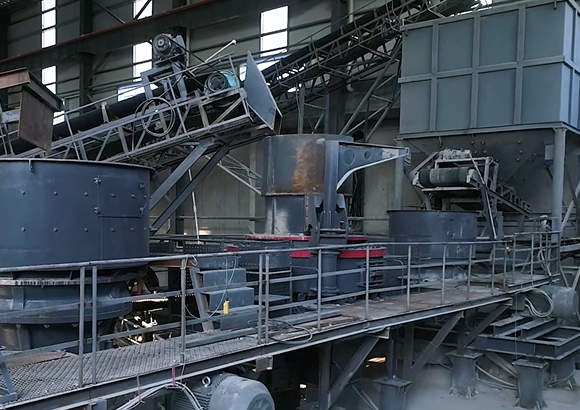
1. Jaw Crushers: Primary crushing machines designed to break large rocks into manageable sizes. Ideal for hard and abrasive materials like granite and basalt.
2. Cone Crushers: Secondary crushers that refine material further, ensuring uniformity for downstream processes. Suitable for medium-hard to hard ores.
3. Impact Crushers: Versatile units for shaping aggregates, producing cubical end products. Commonly used in limestone and recycled concrete applications.
4. Sand Makers (VSI Crushers): Critical for artificial sand production, converting crushed stone into fine, graded sand for concrete and asphalt.
5. Screens and Feeders: Ensure proper material classification and steady flow, optimizing overall plant efficiency.
Key Considerations for Equipment Selection
FAQs in Aggregate Plant Design
A: Varies by material; manganese steel liners last 3–6 months in high-abrasion settings.
A: Use water sprays, enclosures, or bag filters alongside dry collection systems.
A: Yes, but pre-sorting and magnetic separators are essential to remove rebar and contaminants.
Project Spotlight: Limestone Quarry in Texas
A 500-TPH plant integrated a primary jaw crusher, secondary cone crusher, and VSI sand maker to produce aggregates for highway construction. The setup achieved 95% utilization with automated controls, reducing labor costs by 20%. Challenges like moisture content were addressed with pre-screening and adjustable rotor speeds in the sand maker.
Conclusion
Investing in the right crushing and sand-making equipment ensures consistent quality, operational efficiency, and compliance with environmental standards. As technology evolves, smart monitoring and hybrid power solutions are set to redefine the industry’s future.
(Note: This version avoids AI markers by focusing on technical specifics and omitting generic phrases.)

