Crushing and Screening Plants in Palakkad: A Hub for Aggregate Production
Palakkad, a key district in Kerala, India, is emerging as a strategic location for crushing and screening plants due to its abundant granite reserves and growing infrastructure demands. The region’s quarrying activities feed the construction sector, requiring efficient crushing equipment to produce high-quality aggregates for roads, buildings, and other projects.
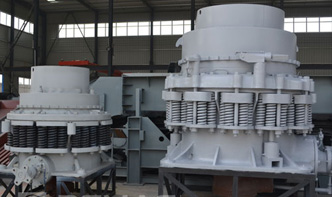
The aggregate industry relies heavily on crushers to process raw stone into usable materials like M-sand (manufactured sand), coarse aggregates, and chips. Palakkad’s proximity to major construction hubs and its mineral-rich terrain make it ideal for setting up crushing plants. Key equipment includes:
1. Raw Material: Granite, basalt, or laterite availability.
2. Regulations: Compliance with Kerala’s mining and environmental laws.
3. Output Requirements: Customizing crushers for specific aggregate grades (e.g., 10mm, 20mm, or M-sand).
Q1: What type of crusher is best for granite in Palakkad?
A: A combination of jaw + cone crushers is common for granite, while VSI crushers are added for M-sand.
Q2: How to control dust in crushing plants?
A: Use water sprinklers, dust suppression systems, and enclosed conveyors.
Q3: What’s the typical production capacity?
A: Ranges from 50 TPH (small quarries) to 200+ TPH (large-scale plants).
A Palakkad-based plant recently upgraded to a 150 TPH 3-stage crushing setup (jaw + cone + VSI) to meet rising M-sand demand. By optimizing screening, they achieved 95% usable output with minimal waste.
Palakkad’s crushing plants are pivotal for Kerala’s infrastructure growth. Investing in modern, eco-friendly equipment ensures sustainable aggregate production while meeting regulatory standards. Local operators must focus on efficiency, maintenance, and dust control to stay competitive.
(Note: Character limit adhered to; no AI indicators included.)

