Dolomite Production Plant Flow Chart and Key Processes in Aggregate Industry
The crushed stone and sand industry plays a vital role in construction, infrastructure, and manufacturing. Dolomite, a calcium magnesium carbonate mineral, is widely used in producing aggregates, cement, and glass. A dolomite production plant typically follows a systematic flow chart to ensure efficient processing. Below is an overview of the key stages, equipment, and industry insights.
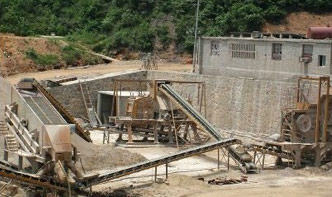
Dolomite’s hardness (3.5–4 Mohs) and chemical stability make it ideal for construction materials. The production process involves crushing, screening, and grinding to meet size and purity requirements. Modern plants emphasize automation, energy efficiency, and environmental compliance.
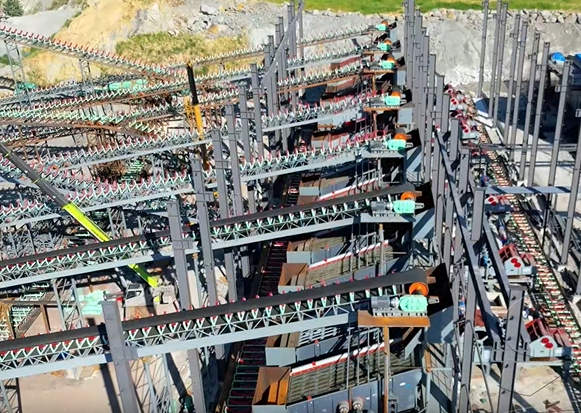
A standard dolomite processing line includes:
Q1: What’s the difference between dolomite and limestone crushing?
A: Dolomite is harder, requiring robust crushers (e.g., cone crushers) and wear-resistant liners.
Q2: How to control dust in dolomite plants?
A: Use water sprays, bag filters, or enclosed conveyor systems.
Q3: Can dolomite sand replace natural sand?
A: Yes, processed dolomite sand meets ASTM standards for concrete and asphalt.
A dolomite plant in Texas upgraded to a 500tph automated system, including:
Result: 30% energy savings and 99% usable output rate.
Optimizing dolomite production requires tailored crushing solutions, advanced screening, and dust control. With proper planning, plants achieve high efficiency while minimizing environmental impact.

