The Role of Feasibility Studies in Mining Ventures and the Crushed Stone & Sand Aggregate Industry
The mining and aggregates industry is a cornerstone of global infrastructure development, providing essential materials like crushed stone, sand, and gravel for construction, roads, and concrete production. Within this sector, feasibility studies play a critical role in ensuring the viability of mining ventures, particularly in projects involving crushing and sand-making equipment.
The demand for high-quality aggregates is driven by urbanization and infrastructure growth. Crushed stone and sand are processed using specialized equipment such as jaw crushers, cone crushers, impact crushers, and sand-making machines (e.g., VSI crushers). These machines transform raw rock into uniformly sized materials suitable for construction.
1. Resource Assessment: Determines the quality, quantity, and accessibility of raw materials.
2. Technology Selection: Evaluates the most efficient crushing and screening equipment based on rock hardness, moisture content, and desired output.
3. Economic Viability: Analyzes production costs, market demand, and ROI to justify investment.
4. Environmental & Regulatory Compliance: Ensures adherence to sustainability and permitting requirements.
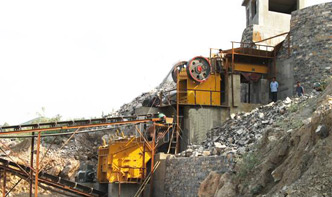
Q: What factors influence the choice of crushing equipment?
A: Rock hardness, feed size, required output size, and production capacity are key considerations.
Q: How can environmental impact be minimized?
A: Dust suppression systems, water recycling, and noise reduction technologies are commonly used.
Q: What is the typical lifespan of crushing equipment?
A: With proper maintenance, crushers can last 10–15 years, but wear parts (e.g., liners, blow bars) require regular replacement.
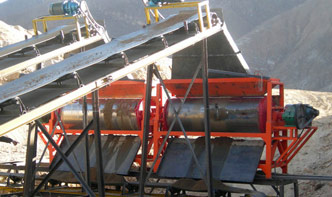
A limestone quarry in Texas implemented a three-stage crushing system (jaw crusher + cone crusher + VSI) to produce high-quality aggregates for highway construction. A feasibility study confirmed the project’s profitability, leading to a 20% increase in production efficiency.
Feasibility studies are indispensable in mining and aggregate projects, ensuring optimal equipment selection, cost efficiency, and regulatory compliance. As infrastructure demands grow, advanced crushing technologies will continue to shape the industry’s future.

