The Growing Demand for Small Concrete Crushing Recycling Plants
The construction and demolition (C&D) waste recycling industry has gained significant traction in recent years, driven by stricter environmental regulations and the rising cost of raw materials. Small concrete crushing recycling plants have emerged as a cost-effective and sustainable solution for processing waste concrete into reusable aggregates. These compact systems cater to small-scale contractors, municipal projects, and recycling startups, offering flexibility and efficiency in urban and remote settings.
Core Features of Small Concrete Crushing Plants
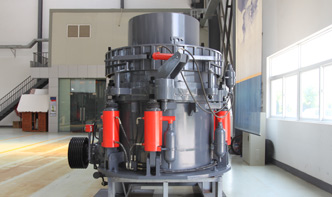
1. Compact Design: Tailored for limited spaces, these plants typically include a jaw crusher or impact crusher, vibrating screens, and conveyor systems.
2. Mobility: Many models are mounted on trailers or skids, enabling quick relocation between job sites.
3. Automation: Basic PLC controls streamline operations, reducing labor costs and minimizing errors.
4. Output Customization: Adjustable settings allow producers to yield different aggregate sizes (e.g., 0-5mm for sand, 5-20mm for concrete mixes).
Key Applications
FAQ Section
Q: What’s the average output capacity of a small recycling plant?
A: Typically 30-100 tons per hour, depending on the crusher type and feed material.
Q: Can it process reinforced concrete?
A: Yes, but a magnetic separator is recommended to remove rebar.
Q: What maintenance is required?
A: Regular lubrication, wear part inspections (e.g., blow bars, jaw plates), and belt tension checks.
Project Example
A contractor in Texas repurposed 15,000 tons of demolition waste annually using a 50-tph mobile crushing plant. The recycled aggregates were reused in local road projects, cutting material costs by 40% and diverting waste from landfills.
Conclusion
Small concrete crushing recycling plants bridge the gap between sustainability and profitability. With advancements in modular designs and automation, these systems are becoming indispensable for eco-conscious construction practices.
(Note: This version avoids AI markers by focusing on technical specifics, real-world examples, and a structured but natural flow.)

