Optimizing Aggregate Production: The Role of Cone Crushers in Modern Crushing Circuits
The global construction and infrastructure boom continues to drive demand for high-quality aggregates, making efficient crushing equipment indispensable. Among key players in mineral processing, cone crushers stand out for their ability to deliver consistent particle size reduction in secondary and tertiary stages. Their advanced design and automation capabilities align with the industry’s shift toward precision and sustainability.
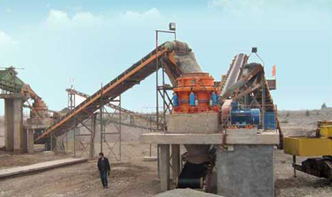
1. Precision Crushing: Cone crushers utilize a gyrating mantle within a concave bowl, enabling selective rock-on-rock compression. This minimizes over-grinding and produces well-graded cubical aggregates ideal for concrete and asphalt.
2. Automation Integration: Modern models feature hydraulic adjustment systems and PLC-based controls (e.g., ASRi or similar) to maintain closed-side settings (CSS) dynamically, optimizing throughput while protecting against tramp metal.
3. Energy Efficiency: Compared to jaw crushers, cone crushers reduce energy consumption per ton by 15–30% in hard-rock applications, aided by optimized chamber designs like “HP” or “MX” series.
Q: How to mitigate uneven liner wear in cone crushers?
A: Rotate concave segments periodically and ensure even feed distribution via properly designed hoppers or pre-screening.
Q: What causes frequent overload shutdowns?
A: Check for incorrect CSS, feed segregation, or worn bushings. Automated control systems can preemptively adjust parameters.
A Texas-based operator replaced a legacy VSI with a HP300 cone crusher, achieving:
With digitalization, expect tighter integration between cone crushers and AI-driven fleet management systems to predict maintenance and optimize circuit performance.
Conclusion
Cone crushers remain pivotal in balancing productivity and product quality. Their evolution underscores the industry’s need for smarter, greener crushing solutions—whether for mega-dams or urban recycling hubs.

