The Essential Role of Crushing and Sand-Making Equipment in the Aggregate Industry
The global construction and infrastructure sectors rely heavily on high-quality aggregates, including crushed stone, sand, and gravel. These materials form the backbone of concrete, asphalt, and road base layers, making efficient crushing and sand-making equipment indispensable for modern development.
The demand for aggregates is driven by urbanization, road networks, and renewable energy projects. With natural sand reserves depleting, manufactured sand (M-Sand) produced by crushing and sand-making equipment has become a sustainable alternative. Key equipment includes jaw crushers, cone crushers, impact crushers, and vertical shaft impactors (VSIs), each tailored for specific stages of size reduction and shaping.
1. Jaw Crushers: Ideal for primary crushing, these machines handle large-sized rocks with high compressive strength.
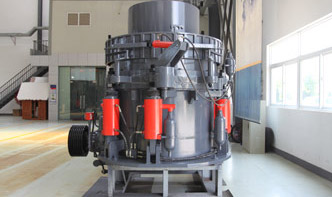
2. Cone Crushers: Suited for secondary crushing, they produce uniformly sized aggregates for precision applications.
3. Vertical Shaft Impactors (VSIs): Critical for sand-making, VSIs use a high-speed rotor to crush rocks into cubical, well-graded sand particles, mimicking natural sand properties.
Modern equipment integrates automation and IoT for real-time monitoring, reducing downtime and optimizing output. Eco-friendly designs also minimize dust and noise pollution.
Q: What is the difference between natural and manufactured sand?
A: M-Sand offers better control over particle shape and gradation, reducing voids in concrete mixes and enhancing durability.
Q: How to choose the right crusher for a project?
A: Consider feed size, required output, and material hardness. Jaw crushers suit coarse crushing, while cone crushers and VSIs refine the product.
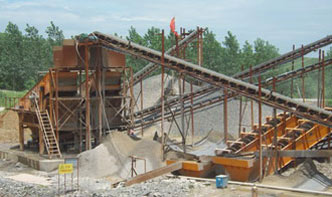
A highway construction project in Texas utilized a three-stage crushing system:
The setup achieved 300 TPH output with 95% efficiency, meeting stringent gradation standards.
As infrastructure needs grow, crushing and sand-making equipment will remain pivotal in delivering high-quality aggregates. Advancements in automation and sustainability are set to further revolutionize the industry.

