The Role of Circular Vibrating Screens in Aggregate Processing
The aggregate and sand production industry relies heavily on efficient screening equipment to classify materials by size. Among various options, circular vibrating screens stand out for their robustness and high-capacity performance in processing crushed stone, gravel, and sand.
Aggregate production involves multiple stages, from primary crushing to final screening. Circular vibrating screens are critical in ensuring precise particle separation, minimizing downtime, and maximizing yield. Their applications span quarries, mining, and construction material recycling.
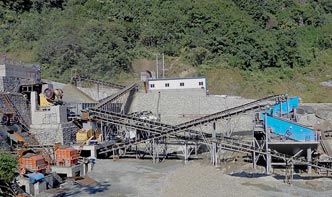
The stroke (amplitude) of a circular vibrating screen is a key parameter influencing screening efficiency. It’s calculated based on:
Basic Formula:
\[ Stroke = (M \times r) / (M + m) \]
Where:
A typical stroke ranges from 3–8 mm for fine screening and up to 12 mm for heavy-duty applications.
1. How to reduce screen clogging?
– Use polyurethane or rubber mats for sticky materials.
– Adjust inclination angle (15°–25° for most aggregates).
2. What maintenance is required?
– Regular bearing lubrication.
– Check spring tension and screen mesh wear.
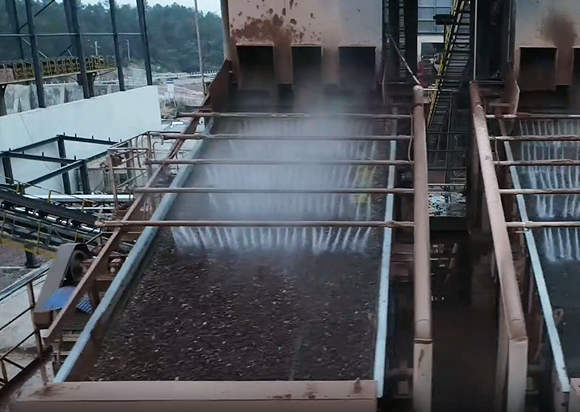
A Texas-based quarry upgraded to a 3-deck circular vibrating screen with a 6-mm stroke. Results:
Optimizing stroke and operational parameters ensures longevity and efficiency. Customized solutions, paired with proper maintenance, make circular screens indispensable in aggregate processing.
(Note: For specific stroke adjustments, consult manufacturer guidelines based on material density and feed size.)

