How Does the Ball Mill Machine Work?
The ball mill is a critical piece of equipment in the crushing, grinding, and sand-making industries, widely used for processing raw materials into fine powders or uniform aggregates. Its versatility makes it indispensable in mining, cement production, and construction material manufacturing.
Industry Background
The demand for high-quality sand and stone aggregates has surged with global infrastructure development. Ball mills play a pivotal role in producing finely ground materials for concrete, asphalt, and other construction applications. They are particularly effective for grinding hard, abrasive ores and non-metallic minerals.
Core Working Principle
A ball mill operates by rotating a cylindrical shell filled with grinding media (typically steel or ceramic balls). As the shell rotates, the balls are lifted to a certain height and then cascade down, striking the material to be ground. The impact and friction between the balls and the material reduce particle size through:
1. Impact Force: High-energy collisions break large particles.
2. Abrasion: Friction between balls and material refines particle size.
3. Attrition: Inter-particle grinding further pulverizes the material.
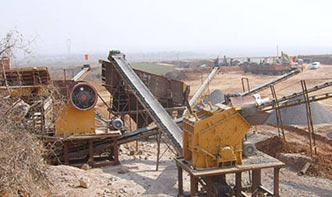
Key components include:
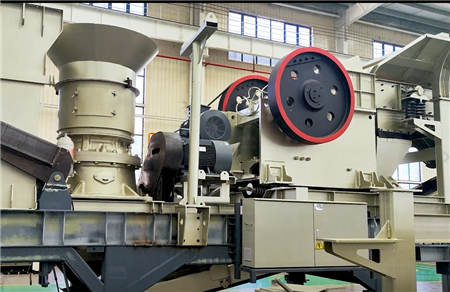
Common FAQs
1. What materials can a ball mill process?
Ball mills handle ores, ceramics, cement, and even chemicals. Hard, brittle materials are ideal.
2. How to optimize ball mill efficiency?
Adjust ball size, rotational speed, and material feed rate. Overloading reduces effectiveness.
3. Maintenance tips?
Regularly inspect liners, lubricate bearings, and monitor vibration levels.
Engineering Case Study
A quarry in Australia upgraded to a 3.2×4.5m ball mill for limestone grinding. By optimizing ball size distribution (30–100mm) and speed (75% critical), output increased by 20% while energy consumption dropped 15%. The finer product met strict concrete mix specifications, boosting profitability.
Conclusion
Ball mills remain a cornerstone of aggregate processing, balancing efficiency and reliability. Understanding their operation and maintenance ensures optimal performance in sand and stone production lines.

