The Role of CAM Motor Mechanism in Vibrating Screens for Aggregate Processing
The aggregate and sand production industry relies heavily on efficient screening equipment to separate and classify materials by size. Among the critical components in vibrating screens, the CAM motor mechanism plays a pivotal role in ensuring consistent performance, durability, and precision in material separation.
Vibrating screens are indispensable in crushing and screening plants, where they segregate crushed stone, sand, and gravel into specific gradations. The demand for high-quality aggregates in construction, road building, and concrete production necessitates equipment that minimizes downtime while maximizing throughput.
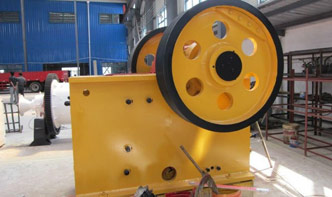
The CAM motor (or eccentric shaft mechanism) drives the vibrating motion of the screen deck. Key features include:
1. Eccentric Shaft: Generates elliptical or linear vibration by rotating unbalanced weights, ensuring material movement across the screen surface.
2. Adjustable Amplitude: Operators can modify vibration intensity to suit different materials (e.g., wet vs. dry aggregates).
3. Robust Bearings: Heavy-duty bearings withstand high loads and abrasive conditions, reducing maintenance frequency.
4. Synchronization: Dual-motor configurations (for linear screens) ensure synchronized counter-rotation, enhancing screening efficiency.
Q1: How does CAM motor vibration affect screening accuracy?
A1: Precise vibration control prevents material blinding and ensures consistent sizing. Over-vibration can cause premature wear, while under-vibration reduces throughput.
Q2: What maintenance practices prolong CAM motor life?
A2: Regular lubrication, bearing inspections, and monitoring of eccentric weights are critical.
Q3: Can CAM motors handle sticky or wet materials?
A3: Yes, adjustable amplitude and screen deck inclination help mitigate clogging.
A quarry in Texas upgraded to a CAM motor-driven vibrating screen for processing limestone. The result:
The CAM motor mechanism is a cornerstone of modern vibrating screens, balancing power, precision, and longevity. As aggregate producers seek higher efficiency, investing in robust screening technology remains a strategic priority.
(Note: For specific applications, consult manufacturers for tailored solutions.)

