Aggregate Quarrying: A Complete Procedure for Efficient Production
The aggregate quarrying industry plays a vital role in construction, providing essential materials like crushed stone, sand, and gravel. With urbanization and infrastructure development driving demand, efficient quarry operations are critical. Below is a step-by-step procedure for running an aggregate quarry, covering exploration, extraction, processing, and quality control.
1. Site Selection & Geological Survey
- Conduct geological studies to assess rock composition, reserves, and environmental impact.
- Obtain necessary permits and comply with local regulations.
- Evaluate accessibility, transportation, and proximity to markets.
2. Clearing & Preparation
- Remove topsoil and vegetation to expose bedrock.
- Establish haul roads, drainage systems, and safety zones.
3. Drilling & Blasting (for Hard Rock Quarries)
- Drill blast holes using rotary drills based on rock hardness.
- Load explosives and detonate to fragment rock into manageable sizes.
- Control vibration and dust to minimize environmental impact.
4. Extraction & Loading
- Use excavators, loaders, or draglines to extract material.
- Haul raw material to the primary crusher using dump trucks.
5. Crushing & Screening
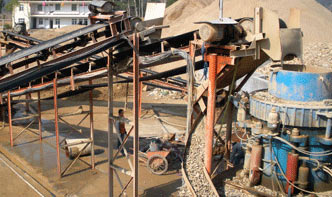
- Primary Crushing: Jaw or gyratory crushers reduce large rocks (e.g., 1,000mm) to ~200mm.
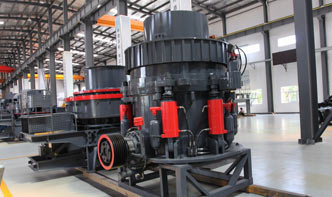
- Secondary Crushing: Cone or impact crushers further refine material to 20–60mm.
- Screening: Vibrating screens separate aggregates by size (e.g., coarse, fine, or manufactured sand).
6. Washing & Sorting (Optional)
- Remove impurities (clay, dust) via log washers or sand screws.
- Produce high-quality sand for concrete or asphalt.
7. Stockpiling & Dispatch
- Store graded aggregates in designated stockpiles.
- Load onto trucks or conveyors for delivery to construction sites.
8. Environmental & Safety Compliance
- Implement dust suppression (water sprays, enclosures).
- Rehabilitate mined areas through reforestation or landscaping.
—
FAQs
Q: What equipment is essential for an aggregate quarry?
A: Crushers (jaw, cone, impact), screens, excavators, loaders, and haul trucks.
Q: How is aggregate quality tested?
A: Sieve analysis, abrasion tests (Los Angeles), and soundness tests ensure durability.
Q: Can quarries operate sustainably?
A: Yes, through water recycling, noise reduction, and post-mining land restoration.
Case Study: XYZ Quarry, USA
- Challenge: High silica content in limestone affected concrete strength.
- Solution: Installed a tertiary impact crusher and air classifier to produce premium-grade sand.
- Result: 20% increase in marketable products and reduced waste.
By following this procedure, quarries can optimize production, reduce costs, and meet industry standards efficiently. Advances in automation (e.g., remote monitoring, AI-driven sorting) are further revolutionizing aggregate operations.

