Crushing and Sand-Making Equipment in the Aggregates Industry
The aggregates industry plays a pivotal role in global infrastructure development, supplying essential materials like sand, gravel, and crushed stone for construction, roads, and concrete production. With urbanization and sustainable building practices on the rise, the demand for high-quality crushed sand and stone has surged, driving innovation in crushing and sand-making equipment.
1. Jaw Crushers: Primary crushing machines ideal for hard and abrasive materials, reducing large rocks into manageable sizes.
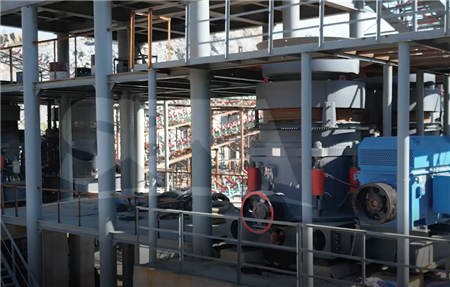
2. Cone Crushers: Secondary or tertiary crushers offering precision in particle shape, critical for high-grade concrete aggregates.
3. Impact Crushers: Versatile units for softer materials, producing cubical aggregates with low fines content.
4. Vertical Shaft Impactors (VSI): Advanced sand-making machines that crush and shape particles, producing artificial sand with optimal gradation.
5. Screening and Washing Systems: Ensure product purity by removing impurities and classifying aggregates by size.
Q: What’s the difference between natural and manufactured sand?
A: Manufactured sand (M-sand) is produced by crushing rocks, offering consistent quality, while natural sand varies in composition. M-sand is often preferred for high-strength concrete.
Q: How to choose between a cone crusher and an impact crusher?
A: Cone crushers suit hard, abrasive materials and require less maintenance. Impact crushers excel in softer materials and produce better-shaped aggregates.
Q: Can recycled concrete be used as feed material?
A: Yes, but pre-screening and removal of rebar are essential to avoid equipment damage.
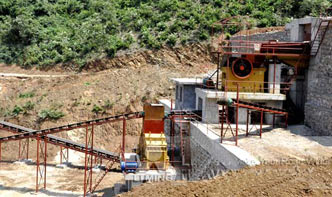
A Southeast Asian quarry adopted a VSI-based sand-making plant to replace river sand, achieving 200 TPH output with <5% fines. The system included a jaw crusher for primary crushing and a three-deck screen for precise grading, reducing dependency on natural resources.
As the aggregates industry evolves, crushing and sand-making equipment must balance efficiency, sustainability, and cost-effectiveness. Investing in the right technology ensures long-term viability in a competitive market.

