Iron Ore Crusher: The Backbone of Mining and Aggregate Industries
The mining and aggregate industries rely heavily on robust equipment to process raw materials efficiently. Among the most critical machines is the iron ore crusher, designed to break down large chunks of ore into smaller, manageable sizes for further processing. This equipment plays a pivotal role in producing high-quality aggregates for construction, infrastructure, and industrial applications.
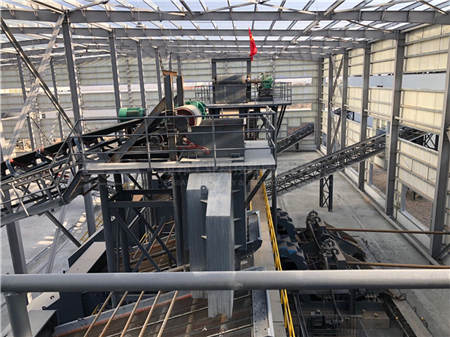
Iron ore is a key raw material for steel production, and its processing begins with crushing. The demand for iron ore crushers has surged alongside global infrastructure development and urbanization. In the aggregate sector, crushers are equally vital for producing sand, gravel, and crushed stone—essential components in concrete, asphalt, and road base materials.
Modern iron ore crushers are engineered for durability, efficiency, and adaptability. Key features include:
Common types include jaw crushers (for primary crushing), cone crushers (for secondary/tertiary stages), and impact crushers (for shaping aggregates).
1. What’s the optimal crusher for iron ore?
Jaw crushers are ideal for primary crushing, while cone crushers refine the material further. The choice depends on feed size and desired output.
2. How to minimize wear in iron ore crushers?
Use hardened liners, regular lubrication, and avoid overloading the machine.
3. s handle wet or sticky ore?
Yes, but moisture content should be controlled to prevent clogging; some models include self-cleaning mechanisms.
A mining operation in Australia upgraded to a hydraulic cone crusher to process 500 TPH of iron ore. The new system improved product uniformity by 30% and reduced energy consumption by 15%, showcasing the impact of advanced crushing technology on operational efficiency.
Iron ore crushers are indispensable in mining and aggregate production, combining power with precision to meet industry demands. As technology advances, these machines will continue evolving to deliver higher productivity and sustainability—ensuring their place as the backbone of material processing worldwide.

