Kaolin Processing to Obtain Alumina: A Comprehensive Overview
Kaolin, a naturally occurring clay mineral, is widely used in industries such as ceramics, paper, and paints due to its fine particle size and chemical stability. However, kaolin can also be processed to extract alumina (Al₂O₃), a key raw material for aluminum production. With the growing demand for lightweight materials in automotive and aerospace sectors, alumina extraction from kaolin presents a sustainable alternative to bauxite, especially in regions lacking bauxite reserves.
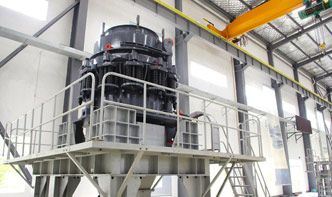
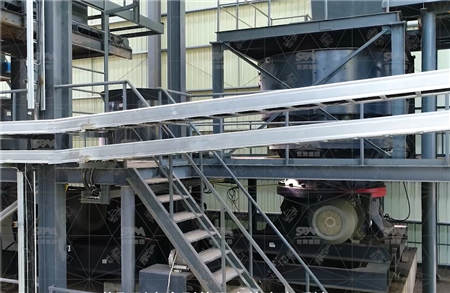
1. Crushing and Grinding: Kaolin ore is first crushed and ground to a fine powder to increase surface area for subsequent chemical reactions.
2. Calcination: The powdered kaolin is heated at high temperatures (700–900°C) to remove hydroxyl groups, forming metakaolin (Al₂Si₂O₇), a more reactive intermediate.
3. Acid Leaching: Metakaolin undergoes leaching with sulfuric or hydrochloric acid to dissolve alumina, separating it from silica.
4. Purification and Precipitation: The leachate is purified to remove impurities, followed by precipitation of aluminum hydroxide (Al(OH)₃).
5. Calcination (Final Step): Aluminum hydroxide is calcined at ~1200°C to produce pure alumina.
Q1: Why use kaolin instead of bauxite for alumina?
A: Kaolin is abundant in regions with limited bauxite reserves, reducing dependency on imports.
Q2: What are the challenges in kaolin processing?
A: High silica content complicates purification, and acid consumption increases costs.
Q3: Is kaolin-derived alumina cost-effective?
A: While processing costs are higher, local availability and lower transportation expenses can offset this.
A plant in Georgia, USA, successfully implemented kaolin-based alumina production using optimized acid-leaching techniques. By integrating advanced filtration systems, they achieved 85% alumina recovery, demonstrating commercial viability.
Kaolin processing for alumina extraction offers a promising pathway for regions lacking bauxite. Advances in crushing, calcination, and leaching technologies continue to improve efficiency, making it a sustainable option for the future of aluminum production.
(Note: This article focuses on the technical and industrial aspects while avoiding AI-generated phrasing.)

