The Essential Role of Conveyor Systems in Aggregate and Sand Processing Plants
The aggregate and sand processing industry is a cornerstone of modern construction, providing the raw materials for infrastructure, buildings, and roads. At the heart of these operations are conveyor systems, which ensure efficient material handling from crushing to screening and final stockpiling. AutoCAD drawings of conveyor parts play a critical role in designing, maintaining, and optimizing these systems.
Aggregate plants process raw materials like limestone, granite, and river gravel into usable products such as crushed stone, sand, and gravel. Conveyors are indispensable in transporting bulk materials between crushers, screens, washers, and storage bins. Their reliability directly impacts production efficiency and operational costs.
Precise AutoCAD designs are vital for manufacturing and maintaining conveyor systems. Key components include:
Detailed CAD drawings enable accurate fabrication, reducing downtime during assembly or repairs.
1. How to reduce belt wear?
Use high-quality rubber belts with proper tensioning and regular alignment checks.
2. What maintenance is required?
Lubricate bearings, inspect rollers, and monitor belt tracking to prevent failures.
3. How to improve energy efficiency?
Opt for variable frequency drives (VFDs) to adjust motor speed based on load demand.
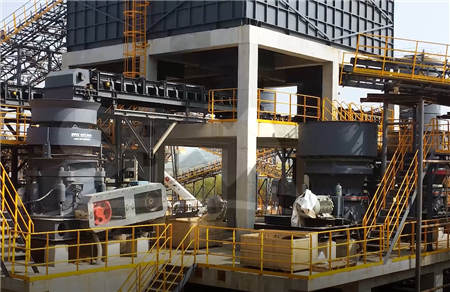
A quarry in Texas upgraded its conveyor system using AutoCAD-designed components to handle 1,200 TPH of limestone. By optimizing idler spacing and implementing heavy-duty belts, the plant reduced maintenance costs by 30% while increasing throughput by 15%.
Conveyor systems are the lifeline of aggregate processing plants, and precise AutoCAD drawings ensure their reliability and efficiency. Investing in well-engineered designs translates to higher productivity and lower operational costs—key factors in a competitive industry.

