Flexible Screw Conveyors in Malaysia: A Key Solution for the Aggregates and Sand Processing Industry
The aggregates and sand processing industry in Malaysia is a vital sector, supporting infrastructure development, construction, and mining. With increasing demand for high-quality sand and crushed stone, efficient material handling systems like flexible screw conveyors have become essential for optimizing production lines.
Malaysia’s rapid urbanization and large-scale infrastructure projects require consistent supplies of processed sand and aggregates. Traditional methods of material handling often face challenges such as space constraints, dust pollution, and high maintenance costs. Flexible screw conveyors offer a compact, cost-effective alternative for transporting bulk materials like sand, gravel, crushed stone, and recycled concrete.
1. Versatility – Suitable for dry, free-flowing to semi-fluid materials; ideal for feeding crushers, screens, or storage silos.
2. Space Efficiency – Can be installed horizontally or at inclines, adapting to tight plant layouts common in Malaysian quarries.
3. Low Maintenance – Few moving parts reduce downtime compared to belt or pneumatic systems.
4. Dust-Free Operation – Enclosed design minimizes material loss and improves workplace safety.
A: It works well with sand, crushed aggregates, cement, fly ash, and other non-sticky bulk solids.
A: Flexible screw conveyors are more compact, easier to clean, and better for controlled feeding in confined spaces.
A: With proper maintenance (e.g., periodic inspection of the auger), it can last 5–10 years depending on abrasiveness of materials.
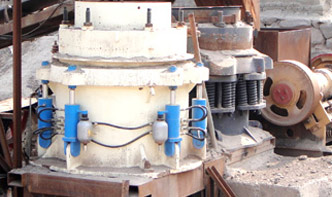
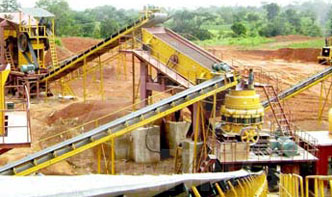
A Malaysian quarry upgraded its sand classification line by integrating a flexible screw conveyor to transfer screened sand to storage bins. The solution reduced spillage by 30% and cut energy costs by eliminating multiple transfer points required with traditional systems.
For Malaysian aggregate producers seeking reliable, low-maintenance material handling, flexible screw conveyors provide an efficient solution that aligns with industry demands for productivity and sustainability. As technology advances, their role in optimizing sand and stone processing will only grow more critical.

