The Evolution of Slag Grinding Machinery in the Aggregate Industry
The global construction boom has intensified demand for high-quality sand and aggregates, driving innovation in crushing and grinding equipment. Among these, induction slag grinding machinery has emerged as a game-changer, transforming industrial byproducts like steel slag into valuable construction materials.
Steel slag, a byproduct of steelmaking, was historically treated as waste. However, with advancements in grinding technology, it is now processed into fine powders for use in cement blends, road bases, and concrete aggregates. This shift aligns with circular economy principles, reducing landfill dependency and conserving natural resources.
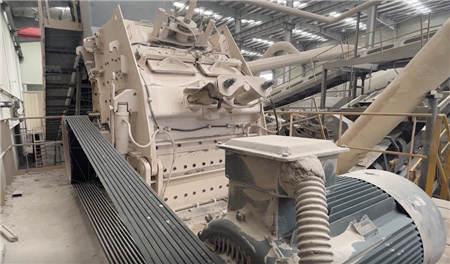
Modern slag grinding machines leverage high-efficiency induction motors and precision milling mechanisms to achieve ultrafine particle sizes (often below 45 microns). Key features include:
These systems integrate IoT-enabled monitoring to optimize performance, reducing downtime and energy consumption by up to 30% compared to traditional methods.
1. Cement Production: Ground slag replaces 30–50% of clinker, cutting CO₂ emissions.
2. Road Construction: Enhances asphalt durability due to slag’s high abrasion resistance.
3. Concrete Additives: Improves strength and workability while lowering costs.
Q1: How does slag grinding compare to natural sand processing?
A: Slag grinding consumes less water and energy while repurposing waste. Natural sand extraction often faces environmental restrictions.
Q2: What maintenance do these machines require?
A: Regular wear-part inspections (e.g., rollers, liners) and lubrication are critical. Automated systems reduce manual intervention.
Q3: Can slag replace all natural aggregates?
A: Partial replacement is common (e.g., 20–40%). Full replacement requires quality validation due to variability in slag composition.
A European steel plant partnered with a grinding equipment manufacturer to process 500 tons/day of slag into S95-grade mineral powder for concrete. The project reduced raw material costs by 18% and achieved zero waste discharge within two years.
With stricter sustainability regulations, the adoption of slag grinding machinery is poised to grow. Innovations like AI-driven process control and hybrid renewable energy integration will further elevate efficiency. The industry’s challenge lies in standardizing slag quality and expanding applications—a hurdle collaborative R&D is steadily overcoming.
By embracing these technologies, the aggregate sector can turn industrial waste into a cornerstone of sustainable construction.

