Gold Mine Cyclone Screening: Enhancing Efficiency in Aggregate Processing
The mining and aggregate industry relies heavily on efficient material processing to maximize productivity and minimize operational costs. Among the critical stages in this process is cyclone screening, particularly in gold mining and sand/gravel production. This technology separates fine and coarse particles using centrifugal force, ensuring optimal classification for downstream processes.
The demand for high-quality sand and aggregates has surged due to global infrastructure development. Cyclone screening plays a pivotal role in:
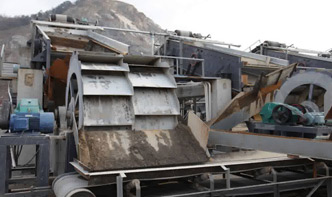
A hydrocyclone or cyclone screener operates by:
1. Feed Introduction: A slurry mixture enters the cyclone tangentially under pressure.
2. Centrifugal Separation: Heavier particles (e.g., gold or coarse sand) move outward and descend, while lighter fines rise to the overflow.
3. Discharge: Underflow (coarse material) exits the bottom, while overflow (fines) is collected separately.
Key advantages include:
1. What particle size range can cyclone screens handle?
Typically 10–300 microns, ideal for fine gold recovery or sand grading.
2. How to prevent wear in abrasive environments?
Use polyurethane or ceramic-lined cyclones for extended service life.
3. Can cyclones replace vibrating screens?
For fine wet screening, yes; but for coarse dry materials, combo systems are often better.
A gold mine in Australia integrated hydrocyclones into their grinding circuit, achieving:
Cyclone screening is a cornerstone of modern mineral and aggregate processing, offering efficiency, scalability, and sustainability. Whether in gold mines or sand plants, optimizing this technology ensures higher yields and lower operational costs—key to staying competitive in a growing industry.

