Cobble Processing Machines in Cambodia: A Guide to Sand and Aggregate Production
Cambodia’s construction sector is experiencing rapid growth, driven by urbanization and infrastructure development. This has increased demand for high-quality sand and aggregate materials, making cobble processing machines essential for producing crushed stone, gravel, and artificial sand.
Cambodia’s abundant river cobbles and natural stone deposits provide raw materials for aggregate production. However, traditional manual crushing methods are inefficient and fail to meet modern construction standards. Mechanized cobble processing solutions—such as jaw crushers, cone crushers, and sand-making machines—are now widely adopted to improve output quality and reduce labor costs.
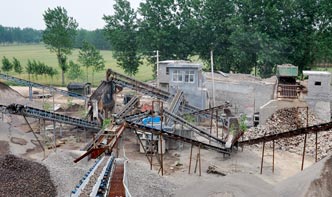
1. Jaw Crusher: Primary crushing of large cobbles into smaller pieces (50–150mm).
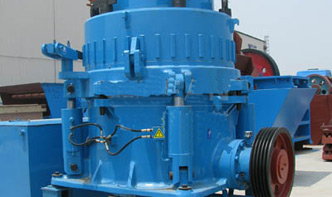
2. Cone Crusher / Impact Crusher: Secondary crushing to produce finer aggregates (10–40mm).
3. Sand Maker (VSI Crusher): Processes crushed stone into artificial sand (0–5mm), ideal for concrete and asphalt mixtures.
4. Vibrating Screen & Washer: Ensures proper grading and removes impurities.
These machines are often configured into fixed or mobile production lines, catering to small quarries or large-scale projects like road construction.
1. What is the ideal cobble size for processing?
Cobbles between 100–300mm are optimal; oversized rocks may require pre-splitting.
2. How to choose between a fixed or mobile plant?
Mobile crushers suit temporary sites, while fixed plants are better for long-term production near material sources.
3. What maintenance is required?
Regular lubrication, wear-part inspection (e.g., jaw plates), and cleaning of clogged screens ensure longevity.
A Cambodian contractor installed a 150t/h cobble crushing line with a jaw crusher, cone crusher, and VSI sand maker. The plant produces graded aggregates for local road construction, achieving 20% higher efficiency compared to manual methods while reducing waste.
Investing in modern cobble processing machinery helps Cambodian businesses meet rising material demands sustainably. With proper equipment selection and maintenance, operators can enhance productivity while supporting the country’s infrastructure growth.

