Aggregate Mobile Crushing Plants: Revolutionizing the Sand and Aggregate Industry
The global demand for high-quality sand and aggregate continues to rise, driven by infrastructure development, urbanization, and construction projects. Traditional stationary crushing plants have long been the backbone of aggregate production, but the industry is increasingly turning to mobile crushing plants for their flexibility, efficiency, and cost-effectiveness.
Sand and aggregate are essential materials in construction, used in concrete, asphalt, and road bases. With stricter environmental regulations and the need for sustainable practices, mobile crushing plants offer a viable solution by reducing transportation costs, minimizing site disruption, and enabling on-site processing of recycled materials like demolition waste.
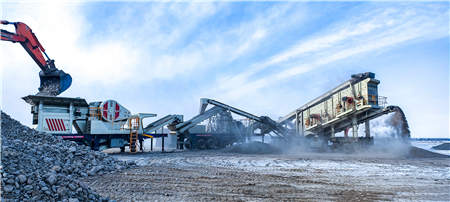
1. Mobility & Flexibility: These plants can be easily relocated to different sites, reducing material hauling distances and lowering carbon footprints.
2. Versatility: Equipped with jaw crushers, cone crushers, or impact crushers, they handle various materials (limestone, granite, recycled concrete) efficiently.
3. Quick Setup & Automation: Modern units feature advanced control systems for real-time monitoring and automated adjustments, improving productivity.
4. Cost Savings: Lower fuel consumption, reduced labor costs, and minimal infrastructure requirements make them economically attractive.
A: They can crush hard rock (granite, basalt), soft stone (limestone), and recycled materials (concrete, asphalt).
A: Mobile plants excel in short-term projects or remote sites but may have slightly lower output than large stationary setups.
A: Yes—on-site crushing reduces truck traffic and dust emissions while supporting material recycling.
A highway construction project in Texas utilized a mobile crushing plant to process excavated rock on-site. By eliminating the need to transport raw material to a distant quarry, the project saved over 30% in logistics costs and completed ahead of schedule.
Aggregate mobile crushing plants are transforming the sand and aggregate sector by offering unmatched adaptability and efficiency. As technology advances, these systems will play an even greater role in sustainable construction practices worldwide.

