The Role of Austin Western Stone Crushers in Modern Aggregate Production
The aggregate industry is the backbone of infrastructure development, supplying crushed stone, sand, and gravel for construction projects worldwide. Among the key players in this sector, Austin Western stone crushers have carved a niche for their rugged durability and efficiency in processing hard rock and recycled materials.
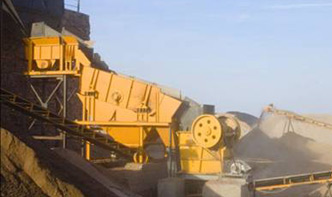
Global urbanization and infrastructure expansion drive demand for high-quality aggregates. With stricter environmental regulations, operators seek equipment that balances productivity with sustainability. Austin Western crushers, now part of the Company legacy, are renowned for their robust jaw and impact crusher designs, ideal for primary and secondary crushing applications.
1. Jaw Crushers: Models like the 10×24 and 16×24 excel in high-tonnage primary crushing, featuring heavy-duty frames and pitman assemblies.
2. Portable Plants: Many units are mounted on trailers for mobility, catering to temporary job sites or multi-location projects.
3. Versatility: Capable of processing limestone, granite, concrete debris, and asphalt, reducing waste and supporting recycling initiatives.
Q: What’s the typical output capacity?
A: Depending on the model, jaw crushers produce 50–800 TPH; exact figures depend on feed size and material hardness.
Q: Can these crushers handle recycled concrete?
A: Yes, but pre-screening to remove rebar is recommended to avoid damage.
Q: Are parts still available for older Austin Western models?
A: provides support for legacy equipment, though lead times may vary.
A quarry in Texas replaced its aging crusher with a refurbished Austin Western 20×36 jaw unit. The result was a 30% increase in production while maintaining consistent 1.5″ minus output for road base material—proving the longevity of these machines even decades after manufacture.
Austin Western crushers remain relevant in today’s market by offering reliability and adaptability. For operations prioritizing proven technology over unproven innovations, these units deliver value without compromise—a testament to their enduring engineering legacy.

