Optimizing Coal Crushing Costs for 25mm Output: A Comprehensive Guide
The coal and aggregate industries rely heavily on efficient crushing systems to achieve desired particle sizes while minimizing operational costs. For coal processing, reducing material to 25mm is a common requirement for applications like power generation, coke production, or industrial boilers. This article explores cost-effective strategies, equipment selection, and real-world solutions for achieving this target size.
Coal crushing is a critical step in material preparation, impacting downstream processes such as combustion efficiency and transportation costs. The 25mm size is often ideal for fluidized bed boilers or gasification systems, balancing energy output and handling convenience. However, achieving this size economically demands careful planning around equipment choice, maintenance, and energy consumption.
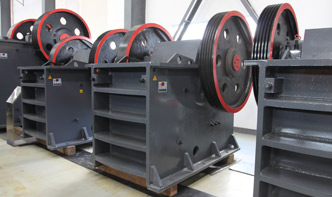
1. Primary Crushers: Jaw crushers or gyratory crushers are typically used for initial size reduction, handling large feed sizes (up to 1.5m) and producing coarse outputs (~150–200mm).
2. Secondary Crushers: Cone crushers or impact crushers further refine the material to ~25–50mm. For coal, impact crushers are preferred due to their lower operating costs and adaptability to softer materials.
3. Tertiary Crushing (if needed): Roll crushers or hammer mills can fine-tune the output to 25mm with controlled particle distribution.
Key Cost Factors:
Q: How to reduce crushing costs for 25mm coal?
A: Optimize feed size (pre-screen oversized material), use energy-efficient secondary crushers, and implement predictive maintenance to avoid unplanned downtime.
Q: Which crusher type is best for high-capacity coal crushing?
A: Double-roll crushers or hybrid impact-roll systems offer high throughput with lower energy use for mid-range sizing (10–50mm).
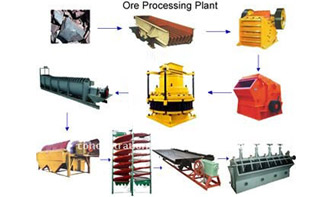
A Indian power plant reduced its coal crushing costs by 18% by switching from a traditional three-stage (jaw-cone-screen) setup to a two-stage impact crusher system with pre-screening. The new system achieved consistent 25mm output while cutting energy use by 22% and maintenance downtime by 30%.
Balancing capital expenditure and operational efficiency is key to cost-effective coal crushing. By selecting the right equipment combination and prioritizing wear resistance, operators can achieve 25mm output sustainably while minimizing lifecycle costs. Always consult with crushing experts to tailor solutions to your specific coal properties and throughput requirements.

