The Role of Crushing and Screening Equipment in the Aggregates Industry
The aggregates industry is a cornerstone of modern construction, providing essential materials like sand, gravel, and crushed stone for infrastructure projects. With urbanization and infrastructure development accelerating globally, the demand for high-quality aggregates has surged. Crushing and screening equipment plays a pivotal role in transforming raw quarry stone into usable materials, ensuring efficiency, sustainability, and cost-effectiveness.
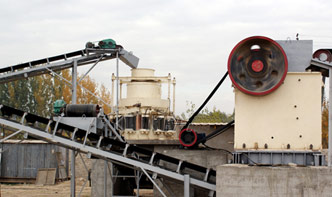
1. Jaw Crushers: Ideal for primary crushing, these machines handle large rocks with high compressive strength. Their robust design ensures durability in harsh quarry conditions.
2. Cone Crushers: Used for secondary and tertiary crushing, cone crushers produce finely graded aggregates suitable for concrete and asphalt production.
3. Impact Crushers: Versatile machines capable of producing cubical-shaped aggregates, often used for recycling applications like demolished concrete.
4. Vibrating Screens: Critical for classifying aggregates by size, ensuring uniformity and meeting project specifications.
Q: How to minimize dust in aggregate crushing?
A: Use water spray systems or enclosed crushing chambers with dust suppression technology.
Q: What’s the lifespan of a typical cone crusher liner?
A: Depending on material abrasiveness, liners last 3–6 months; regular inspection extends service life.
Q: Can recycled concrete be processed into aggregates?
A: Yes, impact crushers are ideal for recycling demolition waste into reusable aggregates.
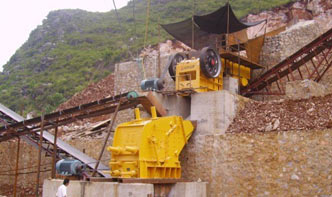
A quarry in Texas upgraded to a mobile crushing plant to process limestone more efficiently. By adopting a three-stage crushing system (jaw + cone + screen), they increased output by 30% while reducing energy consumption. The flexibility of track-mounted units allowed them to relocate equipment as mining faces advanced, minimizing haulage costs.
Innovations in crushing technology continue to drive the aggregates industry forward, balancing productivity with environmental responsibility. Investing in the right equipment ensures long-term profitability while meeting the growing demand for construction materials worldwide.

