The Role of Quartz Fine Crushers in the Aggregate Industry
The global construction and infrastructure sectors heavily rely on high-quality sand and aggregates. As natural sand reserves deplete, manufactured sand (M-Sand) produced by crushing hard rocks like quartz has become a sustainable alternative. Quartz fine crushers play a pivotal role in this process, delivering uniformly sized particles essential for concrete, asphalt, and other applications.
With urbanization accelerating, demand for sand and gravel has surged, straining natural resources. Mechanized crushing solutions, such as quartz fine crushers, offer efficiency and consistency unmatched by traditional methods. These machines are integral to aggregate plants, ensuring optimal particle shape and gradation while minimizing over-crushing and energy waste.
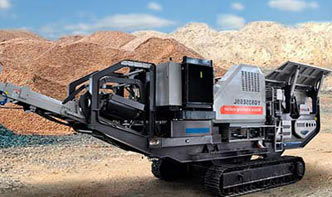
Modern quartz fine crushers leverage advanced principles like inter-particle crushing and adjustable rotor speeds to achieve precise output (0-5mm). Key features include:
Leading manufacturers focus on energy efficiency (e.g., hybrid drives) and automation (IoT-enabled monitoring) to lower operational costs.
1. What’s the output capacity of a quartz fine crusher?
Ranges from 50–500 TPH, depending on model and feed size.
2. How to minimize wear in abrasive quartz crushing?
Use layered crushing (jaw + cone + fine crusher) and regular liner inspections.
3. Can it process wet material?
Dry crushing is preferred, but some models tolerate moisture with proper maintenance.
A quarry in Texas upgraded to a quartz fine crusher system, achieving:
Quartz fine crushers are indispensable for sustainable aggregate production, balancing performance with environmental responsibility. As technology evolves, their integration with smart systems will further revolutionize the industry’s efficiency and scalability.

