The Stone Quarry Industry and Crushing Equipment: A Comprehensive Overview
The stone quarry and aggregate industry plays a pivotal role in global infrastructure development, supplying essential materials for construction, roads, and concrete production. With urbanization accelerating worldwide, the demand for high-quality sand and gravel continues to rise. Crushing and sand-making equipment form the backbone of this sector, transforming raw stone into usable aggregates efficiently.
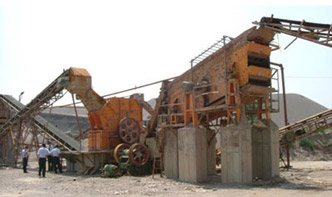
Modern quarries rely on advanced crushing and screening machinery to optimize production. Key equipment includes:
1. Jaw Crushers – Ideal for primary crushing, these machines handle large rocks with high compressive strength.
2. Cone Crushers – Used for secondary or tertiary crushing, producing finer aggregates with precise particle size control.
3. Impact Crushers – Suitable for softer stones, offering high reduction ratios and cubic-shaped end products.
4. Sand Makers (VSI Crushers) – Specialized for artificial sand production, enhancing grain shape for superior concrete mixtures.
5. Vibrating Screens & Feeders – Ensure proper material classification and smooth operation flow.
Automation and smart control systems are increasingly integrated to improve efficiency, reduce downtime, and lower operational costs.
1. What factors affect crusher selection?
– Material hardness, required output size, production capacity, and site conditions dictate the optimal crusher type.
2. How to maintain crushers for longevity?
– Regular lubrication, wear part inspections (e.g., jaw plates, liners), and timely replacement of damaged components are critical.
3. Can recycled materials be processed?
– Yes—modern crushers can repurpose demolition waste into reusable aggregates, supporting sustainable construction practices.
4. What’s the typical lifespan of quarry equipment?
– With proper maintenance, crushers can last 10–15 years; however, wear parts may need replacement every 6–24 months depending on usage intensity.
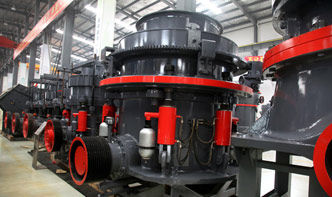
A quarry in Texas upgraded its crushing line with a multi-stage setup: a primary jaw crusher followed by a cone crusher and VSI sand maker. By implementing automated screening systems, they achieved:
The industry is shifting toward eco-friendly solutions—electric-powered crushers dust suppression systems—and AI-driven predictive maintenance minimizing unplanned stoppages As technology evolves quarries will continue adopting smarter more sustainable practices meet growing global demand efficiently

