Portable Crushing Plants: Revolutionizing the Aggregate Industry
The global demand for high-quality aggregates continues to rise, driven by infrastructure development, urbanization, and sustainable construction practices. Portable crushing plants have emerged as a game-changer in the aggregate industry, offering flexibility, efficiency, and cost-effectiveness for contractors and mining operations.
Traditional stationary crushing plants require significant investment in infrastructure and are limited to fixed locations. In contrast, portable crushing plants are designed for mobility, enabling on-site processing of raw materials like limestone, granite, and recycled concrete. This reduces transportation costs and minimizes environmental impact by eliminating the need for trucking materials to distant processing sites.
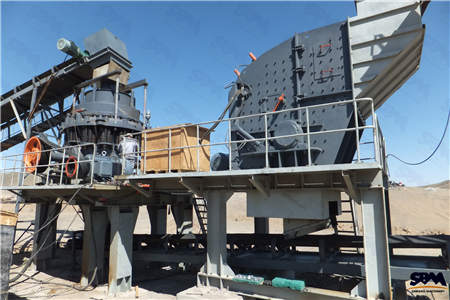
1. Mobility & Quick Setup: Equipped with wheels or tracks, these plants can be easily relocated between job sites, reducing downtime.
2. Versatility: Capable of handling various materials (hard rock, demolition waste) and producing multiple aggregate sizes (crushed stone, sand).
3. Cost Efficiency: Lower operational costs due to reduced fuel consumption and labor requirements compared to traditional methods.
4. Environmentally Friendly: On-site crushing minimizes dust and noise pollution while promoting recycling (e.g., repurposing concrete debris).
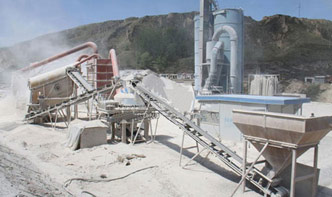
Q1: What types of portable crushers are available?
A: Common options include jaw crushers (for primary crushing), cone crushers (for finer output), and impact crushers (for shaping aggregates).
Q2: How do I choose the right plant?
A: Consider material hardness, required output size, production capacity (TPH), and site accessibility.
Q3: Can portable plants handle wet or sticky materials?
A: Some models feature washing systems or specialized designs to prevent clogging.
A contractor in Texas used a track-mounted portable crushing plant to process limestone for a 50-mile highway expansion. The plant achieved 400 TPH production, reducing hauling costs by 30% and completing the project ahead of schedule.
Portable crushing plants are transforming aggregate production by combining mobility with high performance. As sustainability becomes a priority, their role in recycling and efficient resource utilization will only grow. For contractors seeking agility without compromising output quality, investing in portable solutions is a strategic move toward future-proofing operations.

