Crushers in Cement Plants: A Comprehensive Guide
The cement industry relies heavily on crushers to process raw materials like limestone, clay, and shale into smaller, manageable sizes before further processing. Crushers play a pivotal role in ensuring optimal grinding efficiency and reducing energy consumption in cement production.
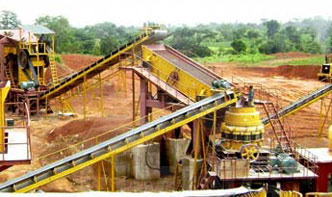
Cement manufacturing begins with the extraction and crushing of raw materials. Primary crushers, such as jaw crushers or gyratory crushers, handle large rocks, while secondary and tertiary crushers (e.g., impact crushers, cone crushers) refine the material to the desired fineness. Efficient crushing directly impacts kiln performance and clinker quality.
1. Jaw Crushers: Ideal for primary crushing due to high capacity and rugged design.
2. Impact Crushers: Suited for softer materials, offering adjustable output gradation.
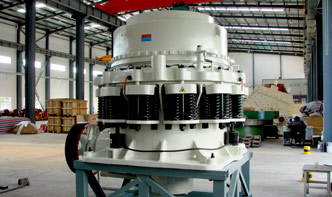
3. Cone Crushers: Provide precise secondary/tertiary crushing with minimal fines generation.
4. Hammer Crushers: Commonly used in cement plants for limestone crushing with high reduction ratios.
Modern crushers integrate automation (e.g., hydraulic adjustment, PLC controls) to optimize throughput and reduce downtime.
Q: Why is a pre-homogenization pile needed before crushing?
A: It ensures consistent feed quality, improving crusher efficiency and reducing wear.
Q: How often should wear parts be replaced?
A: Depends on abrasiveness; manganese jaws typically last 6–12 months under normal conditions.
A 5,000 TPD cement plant in India upgraded from a traditional hammer crusher to a hybrid impact crusher system, achieving:
Selecting the right crusher enhances cement plant efficiency, reduces operational costs, and ensures product consistency—factors critical for sustainable production in competitive markets.

