The Aggregate Industry: Crushing and Sand-Making Equipment for Modern Construction
The global demand for high-quality sand and gravel continues to rise, driven by urbanization, infrastructure development, and the construction boom. As natural sand reserves deplete due to environmental regulations, manufactured sand (M-Sand) produced by crushing and sand-making equipment has become a sustainable alternative.
1. Jaw Crushers: Primary crushing machines for hard rocks like granite and basalt, offering high throughput and durability.
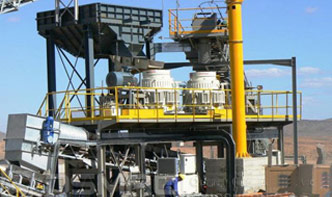
2. Cone Crushers: Ideal for secondary/tertiary crushing, ensuring precise particle size control for aggregates.
3. Impact Crushers: Versatile for soft to medium-hard materials, producing cubical-shaped end products.
4. Sand Makers (VSI Crushers): Critical for M-Sand production, optimizing grain shape and gradation to meet concrete standards.
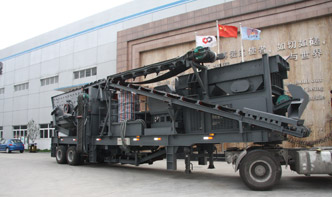
5. Mobile Crushing Plants: Flexible solutions for on-site processing, reducing transportation costs.
Q: What’s the advantage of M-Sand over natural sand?
A: M-Sand has consistent gradation, no impurities, and better bonding with cement, enhancing concrete strength.
Q: How to mitigate dust in crushing plants?
A: Use water sprays, dust suppression systems, or enclosed conveyor belts.
Q: Can recycled concrete be processed into aggregates?
A: Yes—impact crushers or jaw/cone combos are often used for recycled concrete aggregate (RCA).
A highway construction project in Texas utilized a mobile crushing plant to process limestone on-site, reducing haulage costs by 30%. The VSI crusher produced ASTM-compliant M-Sand for asphalt mixes, accelerating the timeline while meeting sustainability goals.
Investing in the right crushing and sand-making equipment ensures cost efficiency, environmental compliance, and high-quality aggregates. As technology advances, automation and eco-friendly designs will further revolutionize the industry.

