The Growing Demand for Crushing and Sand-Making Equipment in the Aggregates Industry
The global construction boom has driven unprecedented demand for high-quality sand and aggregates. As natural sand reserves deplete, manufactured sand (M-Sand) produced by crushing and sand-making equipment has become a sustainable alternative. This shift has spurred innovation among manufacturers specializing in crushing, screening, and washing solutions tailored for the aggregates sector.
Core Equipment in Sand and Aggregate Production
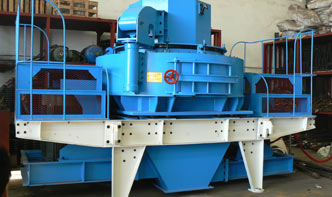
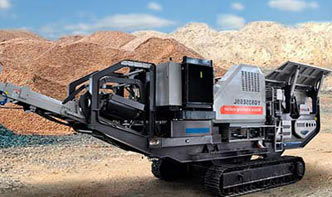
Modern crushing plants integrate jaw crushers, cone crushers, impact crushers, and vertical shaft impactors (VSI) to process raw materials like granite, basalt, and limestone into precise gradations. Key advancements include:
Manufacturers increasingly focus on automation and IoT integration to optimize production efficiency and reduce downtime.
FAQ Section
1. What is the difference between natural and manufactured sand?
M-Sand offers better control over particle size and reduces environmental impact compared to river sand mining.
2. How to choose between a VSI and cone crusher?
VSI crushers excel in shaping aggregates for high-grade concrete, while cone crushers suit harder materials with higher abrasion resistance.
3. What maintenance is required for crushing plants?
Regular lubrication, wear-part inspections (e.g., blow bars, liners), and monitoring vibration levels are critical.
Project Case: Limestone Processing Plant in British Columbia
A quarry in Chilliwack, BC, upgraded to a 200-tph mobile crushing plant featuring a primary jaw crusher, secondary cone crusher, and VSI for fines production. The system achieved a 30% reduction in operational costs through automated adjustments based on feed material variability.
As sustainability regulations tighten globally, the industry’s reliance on advanced crushing technology will only grow—making partnerships with experienced manufacturers essential for long-term success.

