The Role of Jaw Crushers in the Aggregate and Sand Production Industry
The aggregate and sand production industry is a cornerstone of modern construction, providing essential materials for infrastructure, buildings, and roads. Among the key equipment used in this sector, jaw crushers stand out as a primary crushing solution for processing hard and abrasive materials like granite, basalt, and limestone.
Global urbanization and infrastructure development have driven demand for high-quality aggregates. Jaw crushers, both new and used, play a critical role in reducing large rocks into smaller, manageable sizes for further processing in cone crushers or impactors. Their reliability and efficiency make them indispensable in quarries, mining operations, and recycling plants.
1. Robust Design: Built with heavy-duty frames and durable components to withstand harsh operating conditions.
2. Adjustable Output: The gap between the fixed and moving jaws can be adjusted to control particle size distribution.
3. Versatility: Suitable for primary crushing of various materials, including recycled concrete and demolition waste.
4. Low Operational Costs: Simple maintenance requirements contribute to long-term cost savings compared to complex crushing systems.
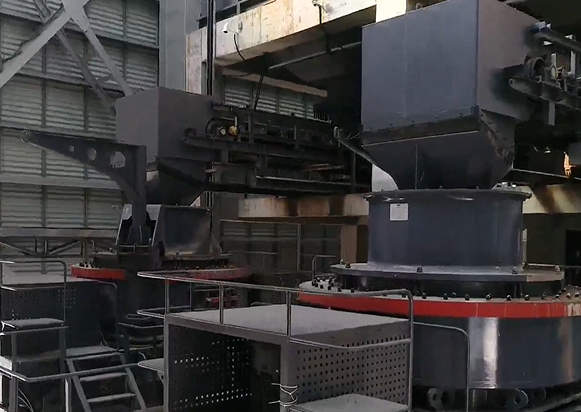
A: Single-toggle designs offer lower maintenance but higher wear on jaws, while double-toggle crushers provide better crushing efficiency for tougher materials.
A: While possible, excessive moisture may cause clogging; pre-screening or alternative equipment like impact crushers may be preferable.
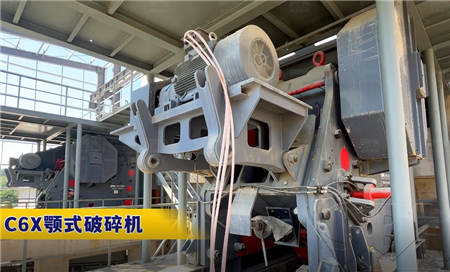
A: Used units are cost-effective but require thorough inspection for wear on liners, bearings, and hydraulics before purchase.
1. Quarry Expansion Project (Texas, USA): A used C125 jaw crusher was refurbished to process 600 tons/hour of limestone, extending the quarry’s lifespan without major capital investment.
2. Urban Recycling Plant (Germany): A mobile jaw crusher processed demolished concrete into reusable aggregates for road base material, supporting sustainable construction practices.
Jaw crushers remain vital in aggregate production due to their simplicity and adaptability—whether new or carefully selected used models help balance performance with budget constraints while meeting industry demands efficiently

