Stone Crushing Facility Process Diagram and Industry Overview
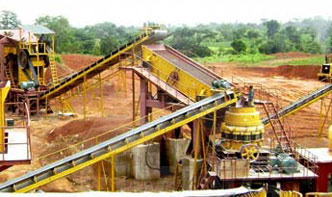
The stone crushing and sand-making industry plays a vital role in construction, infrastructure, and mining sectors. A well-designed stone crushing facility transforms raw materials (such as granite, limestone, or basalt) into high-quality aggregates for concrete, asphalt, and road base applications. Below is a breakdown of the process flow, key equipment, FAQs, and real-world applications.
1. Primary Crushing: Large rocks are fed into a jaw crusher or gyratory crusher for initial size reduction.
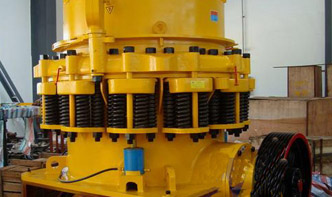
2. Secondary Crushing: Smaller fragments pass through cone crushers or impact crushers for further refinement.
3. Screening: Vibrating screens separate aggregates by size (e.g., 0-5mm sand, 5-20mm gravel).
4. Tertiary Crushing (Optional): For ultra-fine aggregates, vertical shaft impactors (VSI) shape particles into cubical forms.
5. Washing & Dewatering: Sand screws or cyclones remove impurities and control moisture content.
6. Stockpiling & Dispatch: Finished products are stored in segregated piles before transportation.
Q1: What’s the difference between natural and manufactured sand?
A: Manufactured sand (from VSI crushers) has angular particles enhancing concrete strength vs rounded natural sand.
Q2: How to maintain crusher wear parts?
A: Regular inspection of liners/mantles reduces downtime; hardened steel alloys extend service life.
A quarry in Texas upgraded to a 300 TPH mobile crushing plant, reducing haulage costs by 30% through on-site processing of limestone into roadbase material—showcasing the flexibility of modular designs in remote locations.
This streamlined process ensures cost-effective production while meeting stringent quality standards demanded by global construction projects.For inquiries on custom configurations,direct consultations with engineering teams are recommended to address site-specific requirements effectively

