The Sand Dredging Equipment Market: A Comprehensive Comparison
The global demand for sand and gravel continues to rise, driven by urbanization, infrastructure development, and construction projects. As a critical component of the aggregates industry, sand dredgers play a pivotal role in extracting and processing materials from rivers, lakes, and seabeds. This article explores key factors in comparing sand dredger prices, their technological advancements, and practical considerations for buyers.
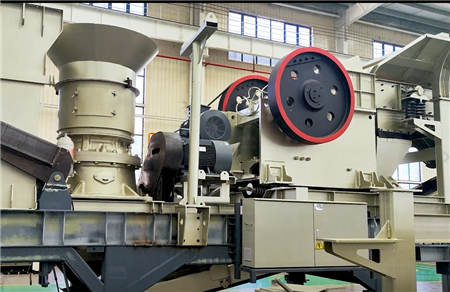
Sand dredgers are specialized machines designed to excavate and transport sand efficiently. The market offers diverse options, including cutter suction dredgers, bucket-wheel dredgers, and trailing suction hopper dredgers. Each type caters to different operational scales—small-scale river dredging versus large marine projects—impacting both performance and pricing.
1. Type & Capacity: Smaller portable dredgers may cost $100,000–$500,000, while large-capacity marine models exceed $5 million due to complex engineering.
2. Automation & Technology: Advanced GPS-guided systems or eco-friendly designs (e.g., low turbidity) increase costs but improve efficiency and compliance.
3. Brand & After-Sales Support: Established manufacturers like Damen or IHC Merweld offer reliability but at a premium compared to regional suppliers.
4. Fuel Efficiency & Maintenance: Electric or hybrid models reduce long-term operational expenses despite higher upfront costs.
Q: What’s the typical ROI period for a sand dredger?
A: Depending on project scale and material quality, ROI ranges from 2–5 years with consistent operation.
Q: How does environmental regulation affect equipment choice?
A: Stricter laws may require silt curtains or low-emission engines, adding 10–20% to costs but avoiding penalties.
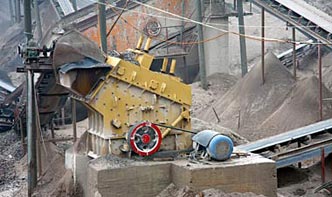
A Southeast Asian contractor opted for a mid-sized cutter suction dredger ($1.2M) with modular components for easy transport between riverine sites. Over 18 months, it extracted 500K tons annually, achieving breakeven within 3 years despite monsoon-related downtime.
Selecting a sand dredger involves balancing initial investment with lifecycle costs and site-specific needs. Buyers should prioritize scalability, regulatory compliance, and manufacturer credibility over short-term savings to ensure sustainable operations in the competitive aggregates sector.

