Hammer Crushers and Dust Control in the Aggregate Industry
The aggregate industry plays a vital role in construction, providing essential materials like sand, gravel, and crushed stone for infrastructure projects. Among the key equipment used in this sector, hammer crushers stand out for their efficiency in reducing large rocks into smaller, uniform particles. However, dust generation remains a significant challenge, necessitating robust control measures to ensure environmental compliance and worker safety.
Hammer crushers are impact-based machines that utilize high-speed rotating hammers to break down materials. Their advantages include:
Common applications include limestone, coal, and recycled concrete processing. However, their intense impact action often leads to excessive dust emission, requiring integrated dust suppression systems.
Effective dust management in hammer crushers involves a combination of engineering controls and best practices:
1. Water Spray Systems: Moisture suppresses airborne particles at crushing points.
2. Enclosures and Sealing: Minimizes dust escape by containing the crushing zone.
3. Baghouse Filters: Captures fine particles through advanced filtration.
4. Proper Ventilation: Ensures adequate airflow to reduce dust concentration.
Regulatory standards like OSHA (Occupational Safety and Health Administration) and EPA (Environmental Protection Agency) mandate strict dust limits, making these measures non-negotiable for modern operations.
Q: How often should hammer crusher maintenance be performed?
A: Regular inspections (every 200-300 operating hours) are recommended to check wear parts like hammers and liners.
Q: Can hammer crushers handle wet materials?
A: While possible, excessive moisture may reduce efficiency or cause clogging; pre-drying is advised for optimal performance.
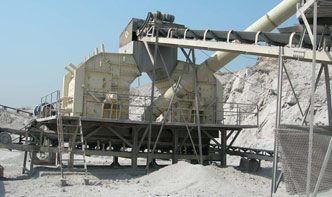
A quarry in Texas implemented a hybrid dust control system (water sprays + baghouse) for its hammer crusher operation, reducing airborne dust by 85% and achieving regulatory compliance without sacing productivity.
Hammer crushers are indispensable in aggregate processing but demand careful dust management to balance efficiency with environmental and safety standards. By adopting advanced suppression technologies, operators can optimize performance while meeting industry regulations.

