Dynamic Modeling of Rock Crushing Processes in the Aggregate Industry
The aggregate industry plays a pivotal role in global infrastructure development, supplying crushed stone, sand, and gravel for construction, roadways, and concrete production. Central to this industry are rock crushing plants, which transform raw materials into usable aggregates through mechanical comminution. Understanding the dynamic behavior of these processes is critical for optimizing efficiency, reducing energy consumption, and ensuring product quality.
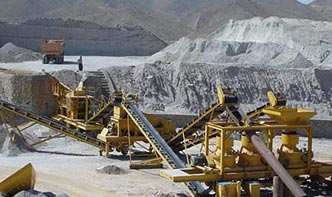
Aggregates are the second-most consumed natural resource after water. With urbanization driving demand, modern crushing plants must balance high throughput with sustainability. Key challenges include fluctuating feed sizes, wear on crusher components, and varying ore hardness. Dynamic modeling addresses these by simulating real-world conditions to predict performance and guide operational decisions.
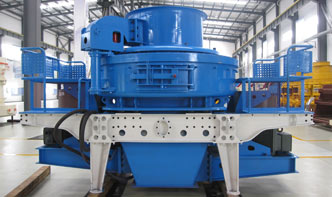
Dynamic models simulate the rock crushing process by integrating:
1. Mechanical Forces: Compression, impact, and attrition forces within crushers (e.g., jaw, cone, impact crushers).
2. Material Properties: Rock hardness, abrasiveness, and moisture content.
3. Machine Parameters: Crusher speed, chamber geometry, and discharge settings.
Advanced tools like Discrete Element Method (DEM) software replicate particle-level interactions, while empirical models correlate input variables (feed size) with output (product gradation). Such models help engineers:
1. Why is dynamic modeling superior to static approaches?
Static models assume steady-state conditions; dynamic models account for real-time variations like feed fluctuations or equipment wear.
2. How does moisture affect crushing dynamics?
Wet material can cause clogging or reduce throughput; models adjust for stickiness and flowability.
3. Can modeling reduce operational costs?
Yes—by predicting optimal crusher settings and wear patterns, plants cut downtime and energy use by 10–20%.
A quarry in Texas implemented dynamic modeling for its cone crusher circuit. By analyzing real-time data on feed size and hardness:
Dynamic modeling transforms aggregate production from reactive to predictive maintenance ensures sustainability while meeting growing demand—a cornerstone of modern mineral processing strategies.”

