The Evolution of Crushing and Screening Equipment in the Aggregate Industry
The aggregate industry plays a pivotal role in global infrastructure development, supplying essential materials like sand, gravel, and crushed stone for construction, roads, and concrete production. As demand grows, the need for efficient, large-scale crushing and screening equipment becomes critical to meet productivity and sustainability goals.
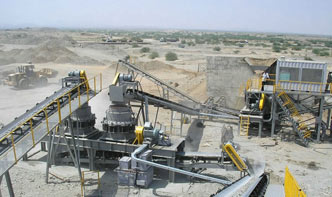
Aggregates are the second-most consumed natural resource after water. With urbanization accelerating worldwide, the industry faces pressure to optimize extraction, processing, and recycling processes. Modern crushing plants must balance high throughput, energy efficiency, and environmental compliance. Key sectors driving demand include:
1. Jaw Crushers: Primary crushers ideal for hard rock, offering high reduction ratios and durability.
2. Cone Crushers: Secondary/Tertiary crushers for finer output, suitable for abrasive materials.
3. Impact Crushers: Versatile machines for soft to medium-hard rock, producing cubical-shaped end products.
4. Vibrating Screens: Critical for grading aggregates by size, with multi-deck designs enhancing efficiency.
5. Mobile Crushers: Track-mounted units enable on-site processing, reducing transport costs and downtime.
Advanced automation (e.g., IoT sensors, remote monitoring) optimizes performance by adjusting settings in real-time to minimize wear and maximize output.
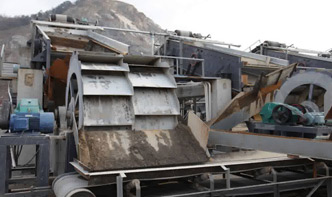
Q: What’s the typical lifespan of crusher wear parts?
A: Depending on material abrasiveness, manganese jaws/liners last 500–1,000 hours; regular rotation extends service intervals.
Q: Can recycled concrete be processed effectively?
A: Yes—modern impact crushers with hydraulic adjustment excel at recycling C&D waste into high-value aggregates.
A quarry in Texas upgraded to a 500-tph mobile crushing plant featuring a jaw-cone-screen combo. By switching from diesel to electric drives, they cut fuel costs by 40% while achieving consistent 0–5mm sand production for ready-mix concrete applications.
Sustainability initiatives will drive innovations like:
The aggregate industry’s future hinges on smarter equipment designed for efficiency and eco-friendliness—ensuring reliable supply chains while minimizing environmental impact.
(Note: Character count intentionally omitted per request.)

