The Crushing and Sand-Making Equipment Industry: A Comprehensive Overview
The global demand for sand and gravel aggregates continues to rise, driven by urbanization, infrastructure development, and construction activities. As natural sand resources deplete due to environmental regulations and over-exploitation, manufactured sand (M-Sand) produced by crushing and sand-making equipment has become a sustainable alternative. The industry relies heavily on advanced machinery to process hard rocks, recycled concrete, and other raw materials into high-quality aggregates for concrete, asphalt, and road bases.
Modern crushing and sand-making systems typically include:
1. Jaw Crushers – Primary crushing of large rocks into smaller fragments.
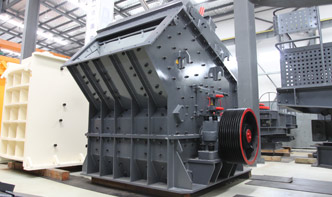
2. Cone Crushers & Impact Crushers – Secondary and tertiary crushing for finer particle sizes.
3. Vertical Shaft Impactors (VSI) – Critical for shaping cubical aggregates and producing well-graded M-Sand.
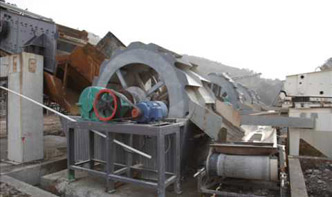
4. Vibrating Screens & Log Washers – Ensure proper sizing and remove impurities like clay or dust.
Key advancements include automation (PLC controls), energy-efficient designs, and wear-resistant materials to extend equipment lifespan in abrasive environments.
Q1: What is the difference between natural sand and M-Sand?
A: M-Sand offers better gradation control, lower impurity levels, and consistent quality compared to naturally sourced sand, which often contains silt or organic matter.
Q2: How do I choose between a cone crusher and an impact crusher?
A: Cone crushers are ideal for hard rocks due to their compressive action, while impact crushers suit softer materials with higher production rates but may generate more fines.
Q3: Can recycled concrete be used as feed material?
A: Yes, but pre-screening is essential to remove rebar or contaminants; secondary crushing may be needed for optimal sizing.
A quarry in Texas upgraded its aging plant with a VSI-based sand-making system paired with a multi-stage screening setup. The new configuration increased yield by 30% while reducing waste material through closed-loop water recycling—demonstrating how optimized equipment can enhance sustainability and profitability simultaneously.
Innovations in crushing technology continue to shape the aggregates industry’s future, balancing productivity with environmental responsibility. Investing in the right equipment tailored to material characteristics ensures long-term operational efficiency—a critical factor amid growing regulatory pressures globally.

