The Role of Rolling Mills in Indonesia’s Aggregate and Sand Production Industry
Indonesia’s construction sector is experiencing rapid growth, driven by infrastructure development and urbanization. As demand for high-quality sand and aggregates rises, efficient crushing and grinding equipment—such as rolling mills—plays a critical role in optimizing production. Rolling mills, particularly roll force-controlled systems, are essential for processing raw materials into uniform-sized particles required for concrete, asphalt, and other construction applications.
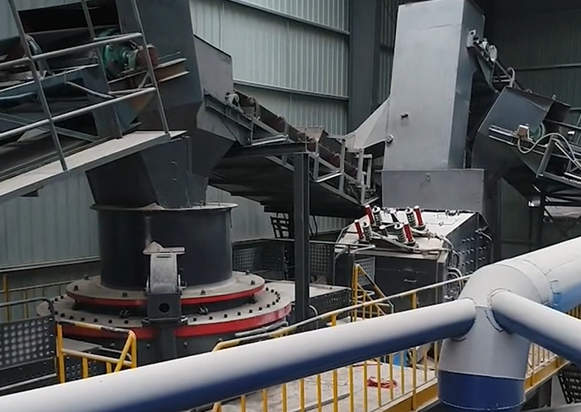
A roll force rolling mill applies compressive forces between rotating rolls to crush or grind materials like limestone, granite, or river gravel. Key features include:
These mills are ideal for producing finely graded sand (0-5mm) or coarser aggregates (5-20mm), meeting international standards like ASTM or EN.
1. What materials can a roll force rolling mill process?
Suitable for medium-hard to hard rocks (e.g., basalt, quartzite) and recycled concrete.
2. How does roll force adjustment improve efficiency?
Real-time force optimization reduces energy waste and minimizes over-crushing.
3. What maintenance is required?
Regular inspection of rollers, lubrication systems, and hydraulic components is critical.
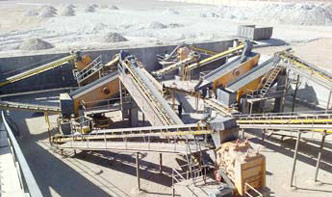
A quarry in Java upgraded to a roll force rolling mill to replace traditional jaw crushers. Results included:
Roll force rolling mills offer Indonesian aggregate producers a reliable solution to meet escalating demand while ensuring cost efficiency and product quality advancements in the sector hinge on adopting such innovative technologies tailored to local geological conditions

