The Essential Guide to Crushing and Sand-Making Equipment in the Aggregates Industry
The global demand for high-quality sand and aggregates continues to rise, driven by infrastructure development, urbanization, and construction projects. Crushing and sand-making equipment play a pivotal role in producing the raw materials needed for concrete, asphalt, and road bases. With stricter environmental regulations and the need for efficient resource utilization, modern crushing plants prioritize sustainability, automation, and energy efficiency.
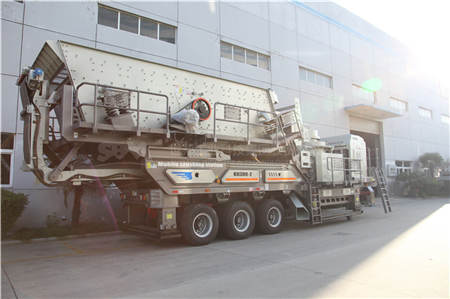
1. Jaw Crushers – Ideal for primary crushing, these machines handle large rocks with high compressive strength. Their robust design ensures durability in harsh mining or quarry environments.
2. Cone Crushers – Used for secondary or tertiary crushing, cone crushers deliver finely crushed materials suitable for high-grade concrete production.
3. Impact Crushers – Perfect for producing cubical-shaped aggregates, impact crushers are widely used in recycling and limestone processing.
4. Sand Makers (VSI Crushers) – These machines crush rocks into fine sand with adjustable gradation, meeting strict specifications for construction applications.
Q: What’s the difference between natural sand and machine-made sand?
A: Machine-made sand offers better consistency in particle shape and gradation compared to natural sand, which varies due to environmental factors.
Q: How do I reduce dust emissions in crushing plants?
A: Use enclosed systems, water sprays, or bag filters to comply with environmental standards.
A quarry in Texas upgraded its aging jaw crusher to a hydraulic model with automated adjustments, increasing production by 30% while reducing energy consumption by 15%. The new system also integrated a VSI crusher to produce high-quality manufactured sand for local concrete suppliers.
Investing in the right crushing and sand-making equipment ensures long-term profitability while meeting sustainability goals. Manufacturers continue innovating with smart technologies to optimize performance—making it crucial for buyers to evaluate their specific needs before purchasing machinery tailored to their operations’ scale and material requirements.”

