The Role and Function of Jig Mining Equipment in Aggregate Production
The global construction and infrastructure sectors rely heavily on high-quality sand and gravel aggregates. As natural deposits deplete, the demand for efficient crushing and screening equipment, including jig mining systems, has surged. Jigs play a critical role in mineral processing and aggregate production by separating materials based on density differences.
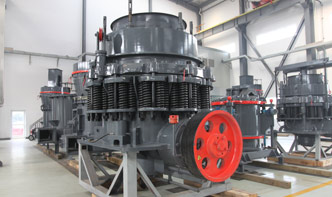
Aggregate production involves extracting, crushing, washing, and classifying raw materials like limestone, granite, or riverbed gravel. Jigging technology enhances this process by recovering valuable heavy minerals (e.g., hematite or gold) while improving the purity of construction-grade aggregates. Its adaptability makes it ideal for both small-scale quarries and large industrial operations.
Jigs operate on pulsating water flow to stratify particles:
1. Particle Separation: Lighter materials (e.g., sand) rise to the top, while denser fragments settle at the bottom.
2. Adjustable Parameters: Stroke frequency, water flow rate, and bed depth can be tuned for optimal recovery rates (typically 85–95%).
3. Low Energy Consumption: Compared to froth flotation or magnetic separation, jigs require less power and maintenance.
Common applications include:
Q: Can jigs handle fine particles (<0.5mm)?
A: Yes, but efficiency declines; finer screens or spiral classifiers may supplement jigging.
Q: What’s the lifespan of a jig’s screen panel?
A: Typically 6–12 months, depending on abrasion resistance (polyurethane panels last longer).
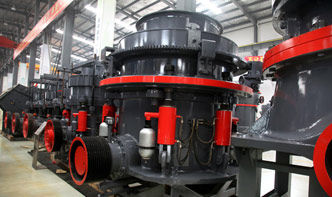
A Brazilian quarry upgraded its sand-washing circuit with a diaphragm jig to reduce silt content from 15% to 3%. The solution cut water usage by 30% and increased salable product yield by 20%.
Jig mining equipment bridges cost-efficiency and environmental sustainability in aggregate processing. Its versatility in material separation ensures relevance across mining and construction industries—proving that traditional technologies can evolve to meet modern demands.

