The Challenges and Solutions in Copper Production for the Aggregate Industry
Copper is a vital material in construction and infrastructure, but its production presents several disadvantages that impact the aggregate and sand-making equipment sectors.
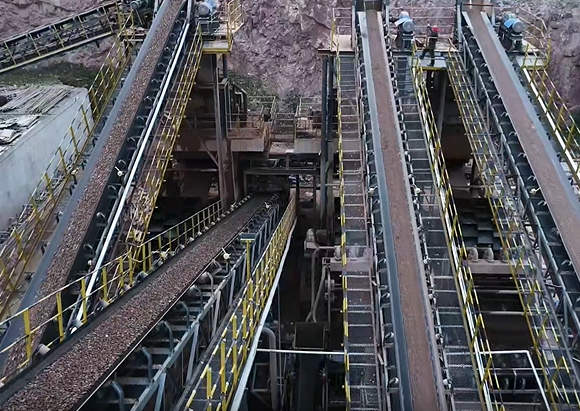
Copper mining and processing generate significant waste, including tailings and acid mine drainage, which can contaminate water sources. The aggregate industry, which relies on sustainable practices, must address these issues to minimize ecological damage.
Extracting and refining copper requires substantial energy, increasing operational costs. For sand and gravel producers using copper-based machinery components (e.g., crusher liners), this can lead to higher equipment expenses.
Copper shortages or price volatility disrupt the manufacturing of crushing and screening equipment, delaying projects in the aggregate sector.
While copper alloys resist corrosion, pure copper components in machinery may degrade faster under abrasive conditions (e.g., processing hard rock). This increases maintenance costs for crushers and sand-making plants.
—
Q: How does copper scarcity affect sand-making machine production?
A: Delays in sourcing copper parts (e.g., bearings, electrical wiring) can slow down manufacturing, impacting project timelines.
Q: Are there alternatives to copper in crusher components?
A: Yes—high-chrome steel or composite materials are often used for wear parts to reduce reliance on copper.
—
A quarry in Texas replaced traditional copper-based crusher liners with ceramic-reinforced composites, reducing downtime by 30% and cutting costs linked to copper price fluctuations.
—
By adopting alternative materials and efficient recycling methods, the aggregate industry can mitigate copper-related challenges while maintaining productivity.

