The Coal Dust Pellet Production Line: A Key Solution in the Aggregates Industry
The aggregates industry plays a vital role in construction, mining, and energy sectors, with coal dust pellet production emerging as an innovative solution for waste utilization and energy efficiency. Coal dust, a byproduct of coal mining and processing, poses environmental and handling challenges. Pelletizing this dust into compact, high-density pellets not only reduces waste but also enhances its usability as fuel or raw material for industrial applications.
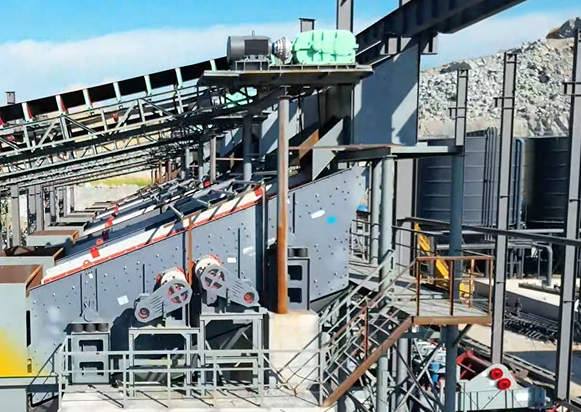
Coal dust pellet production aligns with global trends toward sustainable resource management. Traditional coal processing generates significant fine particles, which are often discarded due to storage and transportation difficulties. By converting these fines into pellets, industries can improve combustion efficiency, reduce emissions, and lower logistics costs. This process is particularly relevant in regions with stringent environmental regulations or where coal remains a primary energy source.
A typical coal dust pellet production line includes:
1. Crushing & Grinding: Raw coal dust may require further size reduction to ensure uniformity before pelletizing.
2. Mixing: Binders (e.g., lignin or clay) are added to improve pellet strength and durability.
3. Pelletizing: Disc or drum pelletizers compress the mixture into spherical pellets under controlled moisture and pressure conditions.
4. Drying & Cooling: Pellets are dried to reduce moisture content and cooled to stabilize their structure.
5. Screening & Packaging: Finished pellets are screened for consistency and packaged for storage or transport.
Q1: What binders are commonly used in coal dust pelletizing?
A: Lignin, starch, or bentonite are popular choices depending on cost and pellet requirements.
Q2: Can coal dust pellets replace traditional coal in industrial boilers?
A: Yes, they are compatible with most combustion systems and often burn more efficiently due to uniform size.
Q3: What is the typical moisture content for optimal pelletizing?
A: Usually between 10-15%, but this varies based on material properties and binder type.
A mining company in Indonesia implemented a coal dust pellet line to manage waste from its processing plant. By pelletizing 50 tons/day of coal fines, the project achieved:
The coal dust pellet production line represents a sustainable advancement in the aggregates sector, addressing both economic and ecological challenges. As industries seek greener alternatives, this technology offers a practical pathway to optimize resource utilization while minimizing environmental impact.For businesses exploring waste-to-value solutions investing in pelletizing infrastructure can deliver long-term operational benefits..

