Optimizing Grinding Efficiency: The Role of Media Segregation Machines in Aggregate Production
The aggregate industry plays a pivotal role in construction, providing essential materials like crushed stone, sand, and gravel for infrastructure projects. A critical stage in aggregate processing is grinding, where raw materials are reduced to desired sizes. However, inefficient grinding media distribution can lead to uneven wear, higher energy consumption, and suboptimal product quality. This is where grinding media segregation machines come into play—a specialized solution to enhance mill performance and operational efficiency.
In mineral processing and aggregate production, grinding mills (e.g., ball mills, SAG mills) rely on grinding media (steel balls, rods, or ceramic beads) to crush and pulverize materials. Over time, media segregation occurs due to variations in size, density, or wear rates. Uneven media distribution reduces grinding efficiency, increases downtime for maintenance, and escalates costs.
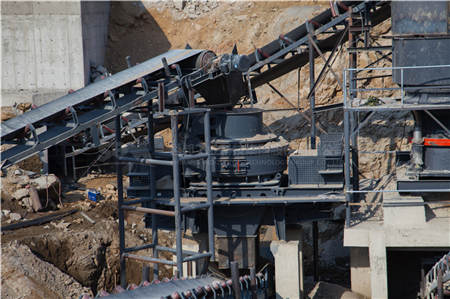
These machines automate the separation of worn or undersized grinding media from active circulation. Key features include:
1. Screening Mechanism: Vibratory or rotary screens classify media by size.
2. Magnetic Separation: For steel balls, magnetic systems recover usable media while removing debris.
3. Automated Replenishment: Integrated systems reintroduce optimally sized media into the mill.
Benefits include:
Q1: How often should media segregation be performed?
A: Typically during scheduled maintenance (every 6–12 months), but real-time monitoring systems can optimize intervals.
Q2: Can these machines handle non-metallic grinding media?
A: Yes—adjustable screening setups accommodate ceramic or composite beads.
Q3: What’s the ROI for investing in segregation equipment?
A: Operators report 15–30% reductions in media costs and ~10% energy savings within 1–2 years.
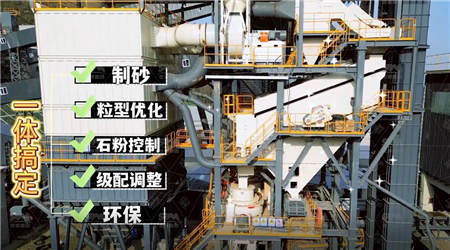
A granite quarry in Texas faced frequent mill shutdowns due to uneven ball wear. After installing a semi-automated segregation unit:
Grinding media segregation machines are no longer optional for modern aggregate plants prioritizing efficiency and cost control. By integrating these systems, producers can achieve finer control over their milling processes while reducing operational waste—a win-win for sustainability and profitability alike.

