The Role of Babcock Circulating Fluidized Bed Technology in Sand and Aggregate Production
The sand and aggregate industry is a cornerstone of global infrastructure development, supplying materials for concrete, asphalt, and road construction. With increasing demand for high-quality aggregates and stricter environmental regulations, innovative technologies like Babcock Circulating Fluidized Bed (CFB) systems are gaining traction. CFB technology enhances efficiency in crushing, screening, and material classification while minimizing energy consumption and emissions.
1. Energy Efficiency: The circulating fluidized bed process optimizes heat and mass transfer, reducing power consumption compared to traditional rotary dryers or crushers.
2. Uniform Particle Size: By controlling airflow and bed density, Babcock CFB ensures consistent particle sizing—critical for high-grade sand and aggregate production.
3. Environmental Compliance: Lower emissions of particulate matter (PM) and nitrogen oxides (NOx) align with global sustainability goals.
4. Versatility: Suitable for processing various raw materials, including limestone, granite, and recycled construction waste.
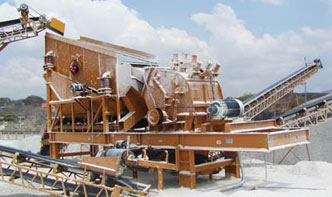
Q1: How does a CFB system differ from conventional crushing plants?
A: Unlike static crushers, CFBs use fluid dynamics to suspend particles mid-air, enabling finer control over size distribution and reducing wear on mechanical components.
Q2: Can Babcock CFB handle wet feed materials?
A: Yes, its drying capabilities make it ideal for high-moisture ores or recycled aggregates.
Q3: What maintenance is required?
A: Regular inspection of refractory linings and airflow nozzles ensures longevity; downtime is minimal due to modular designs.
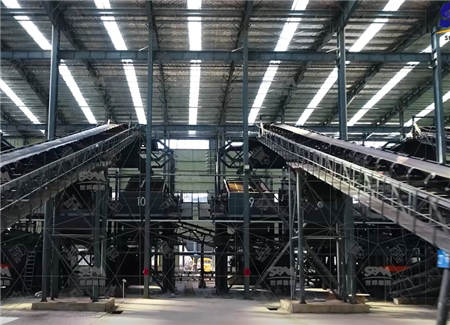
A European quarry adopted Babcock’s CFB to replace its aging rotary dryer system. Results included:
Babcock’s Circulating Fluidized Bed technology represents a leap forward for the aggregate sector, combining operational efficiency with environmental stewardship—a necessity in modern mineral processing. As infrastructure demands grow, such innovations will be pivotal in meeting quality and regulatory benchmarks sustainably.

