The Cedarapids 1036 Jaw Crusher: A Robust Solution for Aggregate Processing
The aggregate and sand production industry is a cornerstone of modern infrastructure development, supplying materials for construction, roadways, and concrete. Central to this process are jaw crushers, which serve as primary crushing units for reducing large rocks into manageable sizes. Among these, the Cedarapids 1036 jaw crusher stands out as a reliable and efficient choice for mid-sized operations.
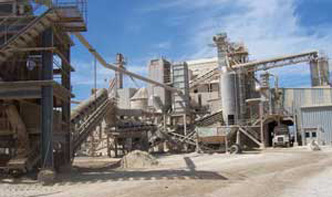
Global demand for high-quality aggregates continues to rise, driven by urbanization and infrastructure projects. Jaw crushers like the Cedarapids 1036 play a critical role in ensuring consistent particle size distribution, a key factor in meeting engineering specifications. Designed for durability and ease of maintenance, this model caters to contractors and quarry operators seeking a balance between performance and cost-effectiveness.
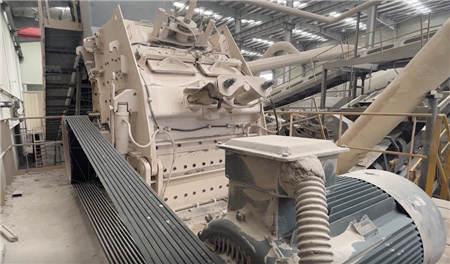
The Cedarapids 1036 features a 10″ x 36″ crushing chamber, capable of processing hard rock, recycled concrete, and other abrasive materials. Key advantages include:
1. What is the maximum feed size?
The 1036 accepts feed up to 24″, depending on material hardness.
2. Can it handle recycled concrete? Yes, but pre-screening is recommended to remove rebar or contaminants.
3. What maintenance is required? Regular lubrication of bearings and periodic jaw plate inspections are essential for longevity.
A Midwest quarry replaced an aging crusher with the Cedarapids 1036, achieving a 20% increase in throughput while reducing downtime due to its simplified maintenance design. The plant reported improved product uniformity for asphalt mix production.
For operators prioritizing reliability in mid-range crushing applications, the Cedarapids 1036 offers proven performance backed by decades of engineering expertise—making it a smart investment in today’s competitive aggregate market.

