The Australian Stone Crusher Market: Trends, Equipment, and Key Considerations
Australia’s construction and mining sectors heavily rely on high-quality crushed stone and sand for infrastructure projects, from roads to residential developments. With growing demand for sustainable aggregates, stone crushers play a pivotal role in producing compliant materials efficiently. This article explores the market dynamics, equipment options, and practical insights for buyers.
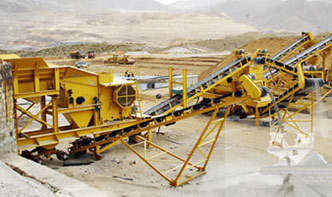
Australia’s aggregate market is driven by urbanization and government investments in transport (e.g., Inland Rail) and renewable energy projects. Strict environmental regulations mandate low-emission crushing solutions, favoring mobile and modular plants over traditional fixed setups. Local quarries prioritize equipment with high uptime, fuel efficiency, and adaptability to varied geology (e.g., granite, basalt).
1. Jaw Crushers: Ideal for primary crushing (hard rock), priced at AUD 150,000–500,000 depending on capacity (50–500 tph).
2. Cone Crushers: Suited for secondary/tertiary crushing (AUD 200,000–700,000), offering finer output for concrete/asphalt.
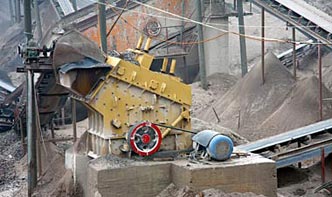
3. Impact Crushers: Versatile for recycled aggregates (AUD 250,000–600,000), with lower operating costs.
4. Mobile Crushers: Premium-priced (AUD 300,000–1M+) but reduce logistics costs for remote sites.
Note: Prices vary with brand (e.g., vs. local OEMs), automation features, and after-sales support.
Q1: What’s the typical output size range?
Q2: Are used crushers viable?
Western Australia Quarry Upgrade: A contractor replaced an aging fixed plant with a mobile jaw-cone combo (AUD 1.2M capex), achieving 30% higher throughput and meeting Tier 4 emission standards. The setup reduced haulage costs by processing on-site waste rock into roadbase material.
Investing in Australian stone crushers requires balancing upfront costs with operational efficiency and regulatory needs。 Modular designs and automation are gaining traction, while本地 service networks remain critical。 Buyers should request site-specific demos和lifecycle cost analyses before committing。

