The Rock Crushing Industry: Capacity, Applications, and Key Considerations
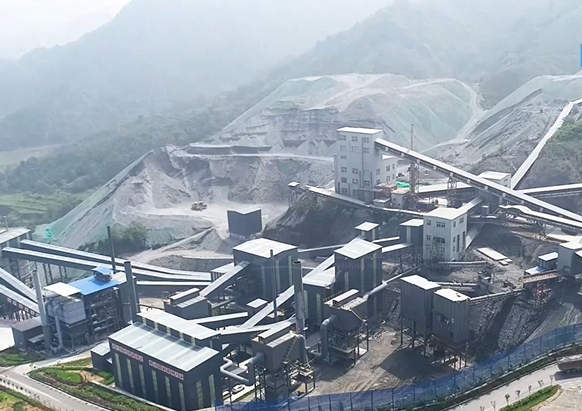
The rock crushing industry plays a pivotal role in construction, mining, and infrastructure development. Crushers are essential for processing raw materials into usable aggregates, sand, and gravel. One of the most common questions in this field is: How many tons of rock can a crusher produce? The answer depends on multiple factors, including crusher type, feed size, material hardness, and operational conditions.
1. Jaw Crushers: Ideal for primary crushing, these machines handle large rocks (up to 1.5m in diameter) and can produce 50–1,500 tons per hour (tph), depending on the model and settings.
2. Cone Crushers: Used for secondary or tertiary crushing, cone crushers typically process 100–800 tph of medium-hard to hard rock.
3. Impact Crushers: Suitable for softer materials or recycling applications, output ranges from 50–500 tph.
4. Mobile Crushers: Portable units offer flexibility but may have slightly lower capacities (100–400 tph) due to size constraints.
Q: How do I calculate my crusher’s actual production?
A: Conduct a timed test run with calibrated equipment or consult the manufacturer’s performance charts based on your material specs.
Q: s handle recycled concrete?
A: Yes, impact crushers are often used for recycling demolition waste into reusable aggregates.
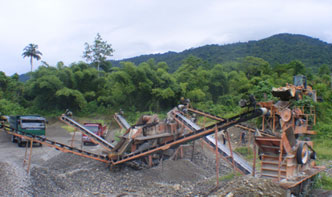
A quarry in Texas upgraded to a 500-tph cone crusher, increasing aggregate production by 30% while reducing energy consumption by optimizing the crushing chamber design. Proper maintenance schedules also minimized downtime.
Choosing the right crusher involves balancing capacity requirements with material characteristics and operational goals. Partnering with experienced manufacturers ensures optimal performance and long-term ROI for your project needs.

