The Evolution of Crushing and Screening Equipment in the Aggregate Industry
The aggregate industry has been a cornerstone of construction and infrastructure development for centuries. Early prospectors relied on rudimentary tools like pickaxes, hammers, and manual sieves to extract and process raw materials. However, as demand for high-quality sand, gravel, and crushed stone grew, so did the need for advanced crushing and screening equipment.
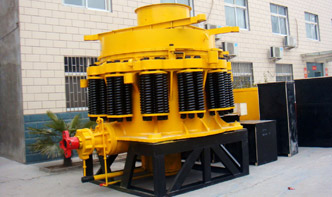
Aggregates are essential for producing concrete, asphalt, and road base materials. Modern crushing plants now incorporate jaw crushers, cone crushers, impact crushers, and vibrating screens to efficiently process raw stone into various sizes of aggregate. These machines have replaced labor-intensive methods, significantly improving productivity and material consistency.
1. Jaw Crushers – Ideal for primary crushing, these machines reduce large rocks into smaller fragments.
2. Cone Crushers – Used for secondary or tertiary crushing to produce finer aggregates.
3. Impact Crushers – Best for producing cubical-shaped sand and gravel by high-speed impact crushing.
4. Vibrating Screens – Separate crushed materials into different sizes for specific applications.
5. Sand Making Machines (VSI Crushers) – Utilize a rock-on-rock or rock-on-steel mechanism to produce high-quality manufactured sand (M-sand).
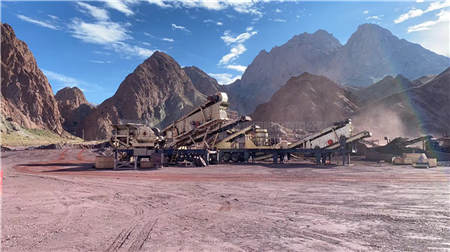
Natural sand is sourced from riverbeds or quarries, while M-sand is produced by crushing rocks in a controlled process, offering better gradation and fewer impurities.
Factors include material hardness, required output size, production capacity, and mobility needs (stationary vs. portable plants).
Regular lubrication, wear-part inspections (e.g., jaw plates, blow bars), and monitoring of vibration levels are crucial to prevent breakdowns.
A limestone quarry in Texas upgraded its crushing circuit by replacing an outdated jaw crusher with a modern hydraulic cone crusher. The result was a 30% increase in production efficiency while reducing energy consumption by 15%. Additionally, the use of a multi-deck vibrating screen improved product classification, minimizing waste material.
From primitive hand tools to automated crushing systems, the aggregate industry has undergone significant advancements. Today’s equipment ensures higher efficiency, lower operational costs, and superior product quality—key factors in meeting global infrastructure demands sustainably.