Iron Ore Vibrating Screening: Efficiency and Simplicity in Mineral Processing
The mining and aggregate industry relies heavily on efficient screening solutions to separate and classify materials like iron ore, ensuring optimal product quality and processing efficiency. Vibrating screens play a pivotal role in this process, offering simplicity, reliability, and high throughput.
Iron ore is a critical raw material for steel production, and its processing involves crushing, screening, and beneficiation. Screening separates ore into different size fractions, ensuring only properly sized material proceeds to downstream processes. Traditional methods like static grizzlies or manual sorting are inefficient compared to modern vibrating screens, which enhance productivity while reducing operational costs.
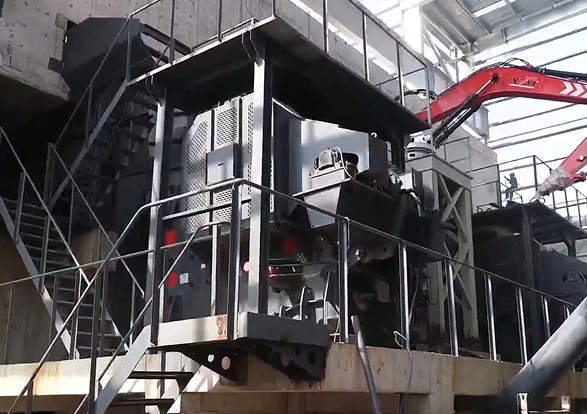
1. Robust Design: Built to withstand abrasive iron ore particles, screens feature durable materials like high-tensile steel or polyurethane decks.
2. Adjustable Amplitude & Frequency: Operators can fine-tune vibration intensity to match material characteristics, improving separation accuracy.
3. Modular Screen Decks: Replaceable panels minimize downtime during maintenance or screen media changes.
4. Dust & Moisture Resistance: Sealed bearings and dust-proof designs ensure longevity in harsh environments.
Q: How often should screen panels be replaced?
A: Depends on abrasiveness; iron ore typically requires inspection every 3–6 months.
Q: Can vibrating screens handle wet sticky ore?
A: Yes, with added features like spray bars or heated decks to prevent blinding.
Q: What’s the ideal slope for iron ore screening?
A: Typically 15°–25°; steeper slopes increase throughput but may reduce accuracy.
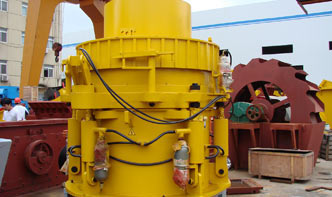
A Brazilian iron ore mine upgraded from static screens to linear vibrating screens, achieving:
Vibrating screens simplify iron ore screening by balancing efficiency and durability. Their adaptability makes them indispensable in mineral processing, ensuring cost-effective operations while meeting stringent size specifications. For operators seeking reliability, investing in advanced screening technology is key to long-term productivity gains.

